

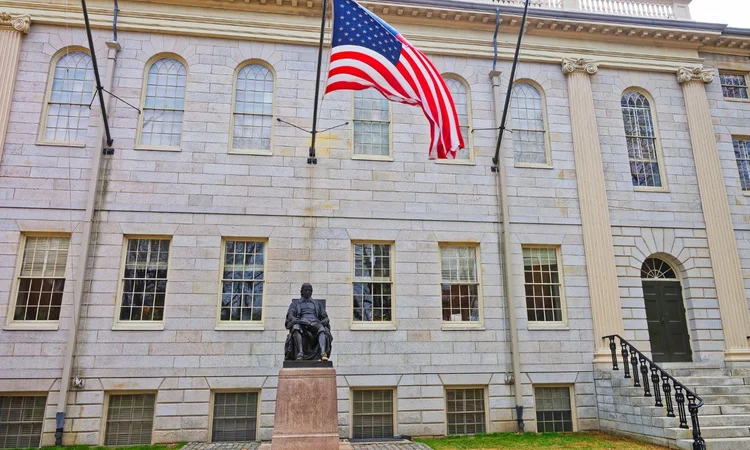
Flipped classrooms have been considered a part of active learning. A lot of students learn this way and grow up to be successful in their academic careers. There’s a context behind these classrooms that a lecture or direct instruction is not an optimal way of teaching students. Instead, students should consider getting out of the classroom and learning in the real world practically and via videos available on the internet. The higher education sector has caught the attention of flipped classrooms lately. The adoption of social media, smartphones, and the use of technology for education has made the learning experience a lot different for the current batch of students.
From Lecture Halls to Learning Labs
The traditional lecture-based model—where students passively absorb content in class and then apply it later in homework—has dominated American higher education for over a century. But as digital transformation takes hold, this one-size-fits-all method is being challenged by more adaptive and student-centered approaches.
In this inverted learning, students are introduced to new material outside of class—typically via video lectures, readings, or interactive modules—while in-class time is devoted to discussion, group work, and problem-solving. This reversal of roles gives students greater autonomy over their learning pace and allows faculty to offer more personalized guidance during face-to-face sessions.
The Strategic Appeal for University Leaders
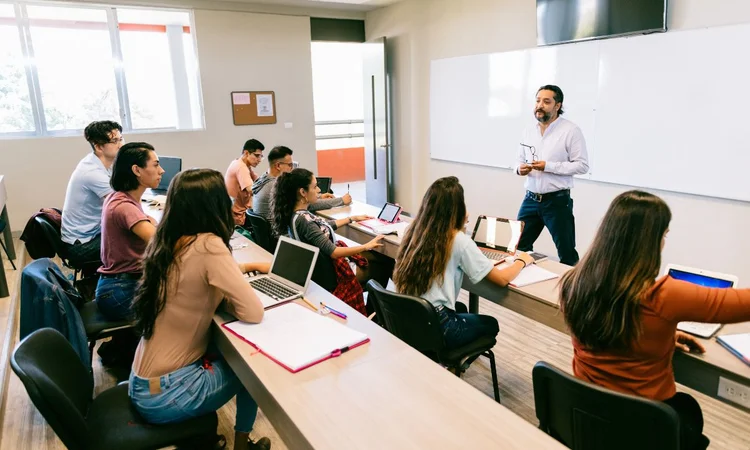
For C-suite executives and educational decision-makers, the shift toward flipped classrooms is not merely a pedagogical preference—it is a strategic investment. The model aligns well with performance-based outcomes, digital innovation, and scalable growth. Learner-led models are especially well-suited for STEM programs, business schools, and professional development courses where applied learning is critical.
University administrators are increasingly recognizing that the traditional methods no longer align with how digital-native students engage with content. The flipped model enables deeper learning and has been linked to increased student satisfaction and better academic outcomes.
According to a 2023 survey by EDUCAUSE, 62% of U.S. universities that implemented flipped classrooms reported improved student engagement, while 54% noted better learning outcomes compared to traditional formats.
Technology as the Backbone
The rise of learning management systems (LMS), video conferencing tools, and content delivery platforms has enabled the mass adoption of flipped classrooms. Universities are partnering with edtech firms to build seamless content ecosystems that integrate pre-class material with real-time feedback tools and performance tracking.
Notably, institutions such as the University of Michigan, Stanford, and Arizona State University have embraced flipped classrooms in select departments, using data analytics to fine-tune their instructional strategies. These efforts are creating blueprints that smaller institutions can emulate.
Business Case: Maximizing ROI on Faculty Time

From a managerial standpoint, flipped classrooms offer a more efficient use of faculty time and institutional resources. Professors can reuse high-quality pre-recorded lectures across semesters, reducing redundancy and enabling them to focus on higher-impact activities such as mentoring, case discussions, and experiential learning.
Startup entrepreneurs and edtech founders are also entering the scene, creating modular flipped classroom solutions that can be customized and deployed at scale. For investors, the business case is strong: reverse teaching creates long-term value through higher retention rates, improved academic outcomes, and scalable content assets.
Marketing the Experience
Universities are leveraging flipped classrooms as a competitive differentiator in their marketing efforts. In a crowded marketplace, promoting a dynamic, tech-forward, and student-centric learning environment helps institutions attract prospective students and justify rising tuition costs.
Marketing strategies highlight how hybrid classroom models prepare students for real-world challenges. By fostering collaboration, critical thinking, and adaptability, the model closely mirrors modern workplace expectations.
For example, Northeastern University has integrated flipped classroom principles into its co-op programs, reinforcing experiential learning as a core value proposition.
Competitive Landscape and Rivalry
Despite their advantages, flipped classrooms are not without competition. Traditional institutions with strong lecture-centric reputations, such as Ivy League universities, still lean heavily on conventional models. However, newer institutions and online-first universities are pushing the boundaries with more agile and scalable flipped models.
The rivalry between traditional and modern pedagogies is playing out in student satisfaction surveys, retention metrics, and job placement outcomes. Universities that adopt reverse teaching and modernize their curricula are increasingly gaining an edge.
Collaborations and Case Study

[Source - www.asu.edu]
Arizona State University (ASU) serves as a compelling case study. ASU’s collaboration with edX and Dreamscape Learn has resulted in a robust flipped classroom ecosystem in biology and chemistry courses. Students watch immersive video content before class and participate in gamified problem-solving during sessions.
The results? A 23% increase in final exam scores and a 16% reduction in dropout rates, according to ASU's Office of Institutional Analytics. These metrics highlight the tangible benefits of a student-first format when executed at scale.
ASU’s partnerships with tech companies also demonstrate how cross-sector collaboration can enrich the flipped learning experience. From interactive simulations to AI-powered tutoring systems, the possibilities are expanding.
Conclusion
The shift toward flipped classrooms reflects a broader transformation in American higher education—one that values engagement over exposition, personalization over prescription, and adaptability over tradition. For C-suite executives and decision-makers, embracing this shift is not just about pedagogical innovation—it’s about ensuring institutional relevance and resilience.
As U.S. universities continue to navigate demographic changes, funding challenges, and increasing competition, role-reversed teaching offers a flexible, data-driven, and future-ready model. They represent not just a trend, but a strategic foundation for the next chapter of higher education. And as student expectations continue to evolve, one thing is clear: the institutions that thrive will be those willing to flip the script—literally and figuratively.






Leave a Reply
Your email address will not be published.