

In a world that thrives on stories, how we craft and share them has evolved beyond traditional theatre and stage performances. Today, narrative weaving spans a broad spectrum, engaging with digital realms, immersive experiences, and transmedia storytelling. This is the age of storytelling without borders.
The Evolution of Storytelling
Storytelling has been a cornerstone of human experience for millennia. From ancient oral traditions to the theatrical masterpieces of Shakespeare, we’ve always sought to communicate, entertain, and preserve culture through narrative. However, as technology advances and new platforms emerge, the way we craft and consume stories has expanded far beyond the stage. Today, narratives are no longer confined to the theatre or cinema; they stretch across various media, blurring the lines between creator and audience. As our world becomes increasingly interconnected and digital, the stories we tell are more immersive, interactive, and dynamic than ever before.
This article explores the evolution of storytelling, moving beyond the traditional confines of stage performances to examine how creators are now crafting narratives across diverse media. From interactive installations and immersive theatre to virtual reality (VR) and social media, we’ll look at the expanding landscape of modern storytelling and its implications for the future.
The Rise of Transmedia Storytelling
[Source - Sam Edwards - Medium]
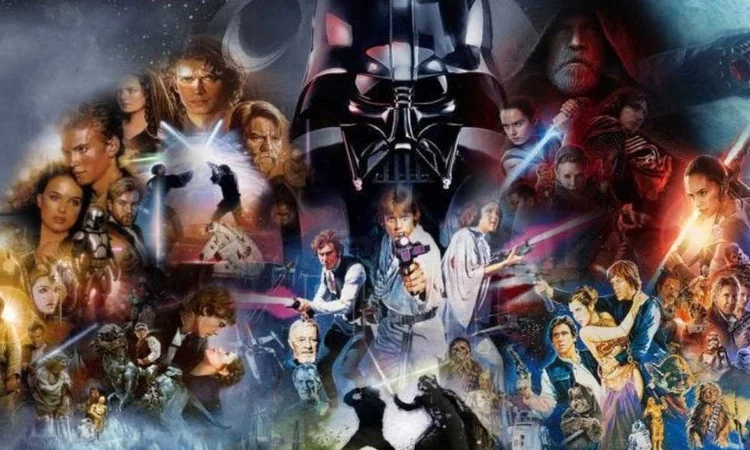
In the 21st century, one of the most groundbreaking trends in storytelling has been the rise of transmedia. Transmedia storytelling involves telling a single story or story experience across multiple platforms and formats. Think of movies, video games, television series, books, and social media all collaborating to deepen a narrative universe.
A prime example of transmedia storytelling is the Star Wars franchise. George Lucas’ creation began as a film series, but it quickly expanded to include animated series, novels, comic books, video games, and even theme parks. Each medium offers a new way to experience the Star Wars universe, enriching the overall narrative. It’s no longer just about watching a film; it's about engaging with the entire world that has been built, allowing fans to live the story in unique and personal ways.
What sets transmedia apart from traditional storytelling is the idea of each platform contributing to the larger narrative. Instead of simply repeating the same story across multiple formats, transmedia creators develop distinct but interconnected stories that explore different aspects of the same universe. This allows for a deeper, more immersive experience for audiences, as they become participants in the unfolding narrative.
Immersive Theatre: Engaging Audiences Beyond the Seats
Immersive theatre, which emerged in the early 21st century, takes the audience out of the traditional "fourth wall" experience, transforming them from passive observers into active participants. Unlike traditional theatre, where the audience watches from their seats, immersive theatre invites them to engage with the actors, interact with the set, and influence the outcome of the story.
One of the most famous examples of immersive theatre is Punchdrunk's Sleep No More. This production, based loosely on Shakespeare's Macbeth, is performed in a multi-story building where audiences are free to roam and explore the space. Actors perform in different rooms, and the audience members can choose where to go, who to follow, and which scenes to witness. The narrative is fragmented and non-linear, and each person’s experience of the story is unique.
Immersive theatre breaks down the boundaries between performer and audience, enabling a more personal and participatory form of storytelling. This format opens up new possibilities for narrative construction, as creators can design stories that are responsive and adaptive to individual choices. For the audience, it’s no longer just about watching; it’s about being inside the story, engaging with it on an emotional, physical, and intellectual level.
Virtual Reality: Entering the Story

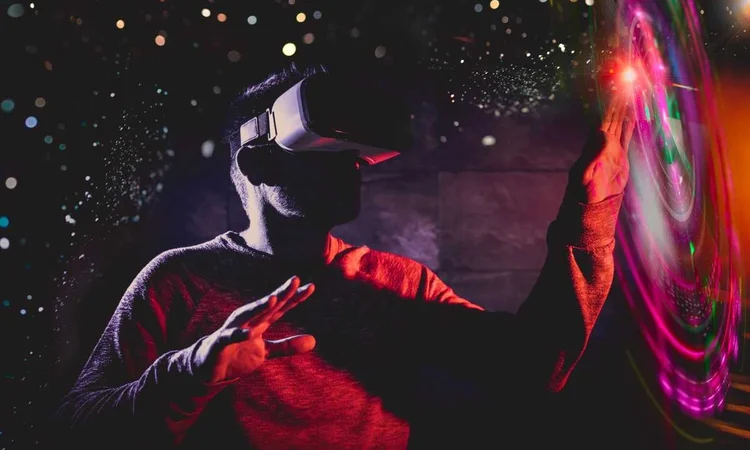
As technology continues to advance, virtual reality (VR) has emerged as one of the most exciting tools for storytelling. VR enables users to fully immerse themselves in a three-dimensional, interactive environment, allowing them to experience a story from the inside out. VR goes beyond passive consumption; it enables active participation, offering a unique opportunity for storytelling that was not possible in traditional media.
One of the most celebrated examples of VR storytelling is The Invisible Hours, a murder mystery game where players explore a mansion in virtual reality to uncover a crime. The story unfolds in real-time, and the player can move around the space, interact with characters, and piece together clues at their own pace. Unlike traditional games or movies, VR allows the player to choose where they focus their attention, creating a deeply personal experience.
For creators, VR offers unprecedented freedom to build dynamic, interactive narratives. In VR, the concept of agency, where the audience can influence the story, is more pronounced. A VR story isn’t just experienced from one viewpoint; the user has the power to change the narrative by making choices, engaging with different elements of the environment, and exploring various facets of the world. This level of interactivity introduces a new layer of complexity for storytellers, as they must design narratives that are flexible and responsive.
The Digital Age: Social Media and Interactive Storytelling
In the age of social media, storytelling has become more democratic and decentralized. Platforms like Instagram, Twitter, and TikTok have given rise to new forms of storytelling, where users can share personal experiences, fictional tales, or collaborative narratives with global audiences. These platforms allow creators to experiment with formats that might have once seemed too experimental or niche for mainstream media.
One of the most intriguing aspects of social media storytelling is the way narratives are often built collaboratively. Hashtags like #Storytime or #Fiction can turn into sprawling narratives, where multiple users contribute pieces of a larger story. Interactive threads on Twitter, where followers can help shape the direction of the story or vote on key decisions, further demonstrate how social media has changed the way we craft narratives. These platforms have become arenas for shared storytelling, where stories evolve organically based on audience interaction.
Moreover, social media influencers and content creators often blur the lines between reality and fiction. Many influencers share deeply personal stories, creating narratives that feel authentic and relatable. Yet, some of these influencers intentionally craft narratives that may or may not be true, blurring the distinction between documentary-style storytelling and constructed narratives. In this way, social media has created a space where the lines between performance, reality, and fiction are increasingly fluid.
The Role of AI in Crafting Narratives
As artificial intelligence (AI) continues to evolve, it has begun to play a significant role in the creation of stories. AI algorithms can now generate narratives, create dialogue, and even craft entire plotlines. One notable example is AI Dungeon, a text-based adventure game powered by AI that creates dynamic stories based on user input. As players make decisions, the AI adapts the narrative in real-time, offering a unique experience each time the game is played.
AI is not just about generating text; it’s also being used to create immersive worlds and characters. In the realm of video games, AI-driven narratives allow for non-linear storylines that react to player decisions, making the experience more personalized. As AI tools continue to improve, the boundaries of storytelling will continue to expand, with machines becoming collaborators in the creative process.
However, AI also raises important questions about authorship and creativity. If a machine can write a story, who owns that story? Is the human creator still the true author, or does the AI hold some claim over the work? These questions are at the forefront of discussions about the future of storytelling in an increasingly AI-driven world.
The Future of Storytelling: Blurring the Lines
As we look to the future, it’s clear that the boundaries between different forms of storytelling will continue to blur. Immersive theatre, transmedia, VR, social media, and AI are just the beginning. The next generation of creators will have access to even more advanced tools that allow them to craft stories in ways we can hardly imagine.
What will storytelling look like in the future? Perhaps stories will become more interactive, with audiences able to choose their own adventure, shape their own character arcs, and influence the outcome of the narrative. Or maybe new technologies like augmented reality (AR) will further break down the boundaries between the digital and physical worlds, allowing people to experience stories in their everyday environments.
One thing is certain: the stage is no longer the only place where stories are being told. Today, narratives are everywhere, on our screens, in our minds, and in the spaces we inhabit. As the landscape of storytelling continues to evolve, we are witnessing the rise of a new era, where the stories we create and share are more diverse, immersive, and participatory than ever before.
Conclusion: Beyond the Stage, Beyond Boundaries
Storytelling has always been about connection, about finding ways to share experiences, emotions, and ideas. The stage may have been the traditional venue for these stories, but today, narratives have burst out of the theatre and into the world at large. Through transmedia storytelling, immersive experiences, virtual reality, and social media, we are witnessing an explosion of creative possibilities that are reshaping the very nature of narrative construction.
As we move forward, the challenge for creators will be to find new ways to engage audiences, to push the boundaries of what is possible, and to keep telling stories that resonate with the human experience. Whether through a VR headset, an Instagram post, or an interactive theatre performance, the stories we tell will continue to evolve. And with each new iteration, we’ll move further away from the traditional stage, embracing a future where the narrative is not just told, but lived.










Leave a Reply
Your email address will not be published.