

The pace of business evolution today is faster and more transformative than at any point in history. What began as the first wave of digital adoption, simple automation, basic software systems, and early computing, has evolved into a new, intelligent era that demands deep integration of technology into the heart of every organization. As the world shifts from Digital Transformation 1.0 and 2.0 into Digital Transformation 3.0, the expectations placed on businesses have dramatically changed. Companies are no longer judged merely by their digital presence or data capabilities; they are evaluated on how intelligently, proactively, and humanely they use technology to shape experiences, drive growth, and build long-term relevance.
Digital Transformation 3.0 marks a shift toward intelligent, interconnected, and deeply personalized ecosystems. Instead of merely adopting digital tools, businesses are expected to create systems that learn, adapt, predict, and solve problems in real time. This phase is defined by artificial intelligence woven into everyday processes, autonomous decision-making, immersive experiences, sustainable innovation, and a holistic approach that places people, not machines, at the center of digital evolution. In simple terms, businesses are no longer asked to “go digital.” They are required to become digitally intelligent.
Understanding the Evolution Toward Digital Transformation 3.0
To appreciate the urgency of this shift, it’s important to understand how this transformation has evolved. Digital Transformation 1.0 focused on converting analog processes to digital formats, moving from paper to software, from offline to online. Digital Transformation 2.0 expanded this foundation with mobile integration, cloud platforms, social media engagement, and data-driven decision-making.
Digital Transformation 3.0, however, is a far more advanced and transformative stage. It is defined by the convergence of artificial intelligence, predictive analytics, hyper-automation, real-time data ecosystems, interconnected devices, and personalized digital experiences. This phase empowers businesses to anticipate customer needs, operate autonomously, innovate rapidly, and build ecosystems that extend beyond traditional boundaries.
The hallmark of Transformation 3.0 is that it is proactive rather than reactive, predictive rather than descriptive, and experience-led rather than system-led. It marks an era where technology accelerates human potential rather than replacing it.
AI as the Core Engine of Transformation
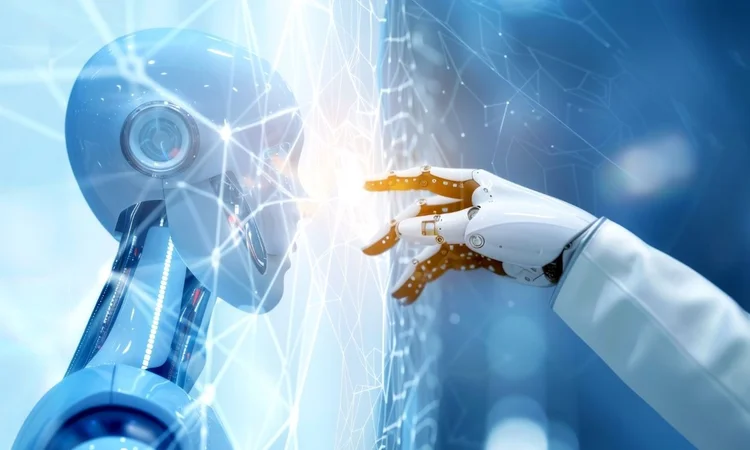
Artificial intelligence is the centerpiece of Digital Transformation 3.0. It influences nearly every aspect of how companies operate, from customer interactions to internal workflows to long-term strategy. AI is no longer an advanced tool used only by tech giants; it has become the foundation of intelligent business operations.
Companies are now integrating AI into customer service, operations, marketing, logistics, forecasting, cybersecurity, and product development. This shift enables businesses to analyze massive amounts of data quickly, make smarter decisions, and offer more personalized experiences. With AI-powered applications, brands can anticipate customer needs before they arise, monitor behaviors in real time, and automate decisions that previously required manual effort.
What makes AI indispensable is its ability to improve continuously. The more data it processes, the smarter it becomes. This self-learning capability supports everything from predictive maintenance in factories to individualized shopping experiences in retail. Businesses that embed AI deeply and early will be the ones to lead in efficiency, innovation, and customer satisfaction.
Hyper-Automation and the Rise of Intelligent Operations
Automation has been a part of digital transformation for years, but Digital Transformation 3.0 introduces hyper-automation, a far more powerful concept. Hyper-automation blends artificial intelligence, machine learning, data analytics, and advanced software robots to create systems that not only perform tasks automatically but also analyze, learn, and optimize processes on their own.
This shift allows companies to build operations that function with unprecedented accuracy, speed, and stability. Workflows that were once manual and time-consuming now occur instantly and intelligently. Hyper-automation reduces human error, lowers operational costs, and frees employees to focus on strategic, creative, and high-value responsibilities.
In this era, organizations that embrace hyper-automation gain a competitive edge by becoming more agile, scalable, and efficient. Those that resist will face delays, rising operational costs, and a growing gap between them and digitally mature competitors.
The Power of Intelligent Data Ecosystems
Data has always been valuable, but in Digital Transformation 3.0, data must be transformed into intelligence. The sheer volume of data generated today means nothing without the ability to translate it into insights that guide real-time decisions. Modern businesses must move beyond static dashboards toward dynamic data ecosystems that integrate information from multiple sources and produce actionable intelligence instantly.
Companies are now focusing on real-time analytics, predictive modeling, and unified data platforms that eliminate silos and provide a single source of truth. This allows decision-makers to understand not just what is happening but why it is happening and what will likely happen next. Intelligent data ecosystems support customer personalization, supply chain optimization, risk management, financial forecasting, and product innovation.
The businesses that thrive in Transformation 3.0 will be those that treat data not as a report but as a living asset that continually evolves and guides every strategic decision.
Human-Centered Digital Experiences as a Competitive Advantage
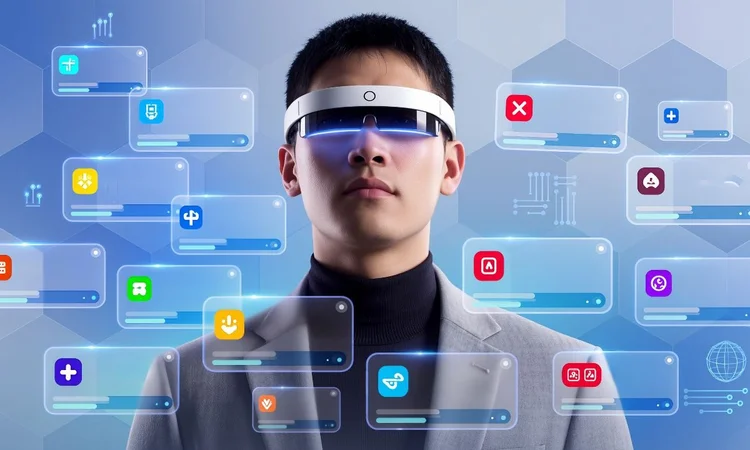
Despite the advanced technologies driving Digital Transformation 3.0, the real focus remains on people. Today’s customers expect interactions that are intuitive, seamless, and deeply personalized. They want brands to understand their preferences, anticipate their needs, and respond instantly when issues arise.
Modern digital experiences must feel effortless, whether a customer is purchasing a product, accessing services, or seeking support. Companies are now designing platforms that adapt in real time, respond intelligently, and offer continuity across all channels. This involves building systems that recognize users, tailor recommendations, and create frictionless journeys from beginning to end.
In Transformation 3.0, the brands that succeed will be those that blend technology with empathy, offering experiences that are not only efficient but also emotionally resonant.
Digital Twins and the Emergence of Smart Environments
One of the most groundbreaking developments of this era is the adoption of digital twins, virtual models of physical systems, processes, or environments. Digital twins allow companies to simulate operations, test scenarios, predict outcomes, and optimize performance before making real-world changes.
This technology is transforming industries such as manufacturing, healthcare, energy, automotive, and logistics. For example, factories use digital twins to monitor machine health, predict breakdowns, and reduce downtime. Cities use them to improve traffic flow and energy consumption. Engineers rely on them to test product designs without physical prototypes.
Alongside digital twins, the rise of smart environments powered by connected devices and IoT sensors enables real-time monitoring, optimization, and automation. These smart systems improve efficiency, reduce waste, enhance safety, and enable businesses to adapt instantly to changing conditions.
Cybersecurity 3.0 and the Shift Toward Zero Trust
As businesses become more digitally integrated, cyber threats have grown more advanced and frequent. Digital Transformation 3.0 recognizes cybersecurity as a strategic foundation rather than a technical add-on. The modern approach emphasizes the Zero Trust model, which assumes that no user, device, or access point should be trusted automatically.
In practice, this means continuous authentication, real-time threat monitoring, intelligent detection systems powered by artificial intelligence, and strict access controls based on identity and behavior. Cybersecurity in this era focuses on anticipating attacks rather than merely responding to them.
Organizations that adopt robust cyber resilience strategies protect themselves from data breaches, financial losses, and reputational damage, ensuring that innovation and customer trust remain secure.
Advanced Cloud Ecosystems and the Rise of Edge Computing
Cloud technology formed the backbone of Digital Transformation 2.0, but today’s demands require even more flexible and powerful cloud architectures. Businesses are increasingly adopting hybrid cloud, multi-cloud, and distributed cloud models that allow them to store, process, and manage data efficiently across multiple environments.
Edge computing has also become crucial. Instead of relying solely on centralized cloud servers, edge computing processes data closer to where it is generated. This reduces latency, enhances speed, improves security, and supports real-time applications such as autonomous vehicles, telemedicine, and industrial automation.
Together, cloud evolution and edge computing enable businesses to build highly scalable, resilient, and responsive systems that can handle future technological demands.
A Future-Ready Workforce: Digital, Creative, and Empowered
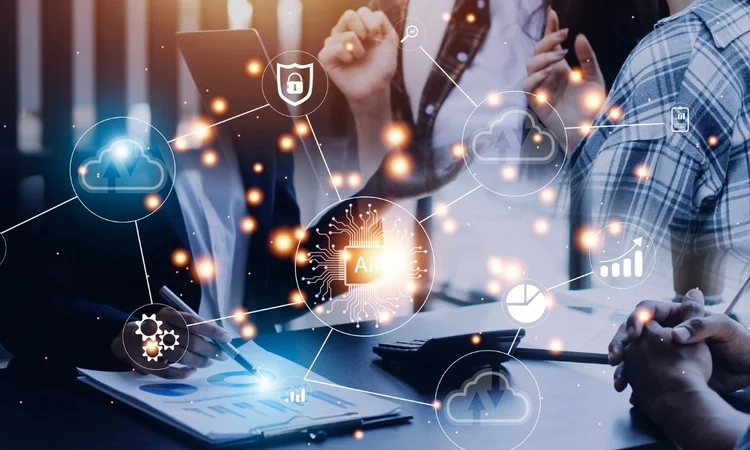
Digital Transformation 3.0 is as much about people as it is about technology. Companies must cultivate a workforce that is digitally skilled, adaptable, and empowered to innovate. This involves investing in continuous learning, promoting AI and data literacy, and creating environments where creativity and experimentation are encouraged.
Employees today want purpose-driven work, flexibility, modern tools, and opportunities to grow. Organizations that support these needs will retain top talent and foster high-performance cultures. The workforce of the future blends human strengths, such as empathy, creativity, and strategic thinking, with the power of technology to drive transformation.
Sustainability as a Digital Imperative
Another defining aspect of Digital Transformation 3.0 is its alignment with sustainability. Businesses are increasingly integrating environmental responsibility into their digital strategies. This includes operating energy-efficient data centers, using advanced tools to monitor and reduce carbon emissions, adopting IoT systems that optimize resource usage, and implementing ethical, transparent supply chains. Many companies are also embracing circular economy principles, where materials and products are continually reused and repurposed rather than discarded.
Sustainability is no longer a trend, it is a competitive advantage. As regulators tighten standards and consumers become more environmentally conscious, businesses that adopt sustainable digital practices will strengthen their reputation and operational resilience.
Why Businesses Must Act Now
The shift toward Digital Transformation 3.0 is not gradual, it is immediate and accelerating. Customer expectations are rising, economic conditions are unpredictable, and technological advancements are reshaping entire industries. Companies that act now will position themselves as leaders, offering superior experiences, operational efficiency, and long-term innovation. Those who delay will face outdated systems, growing talent shortages, security vulnerabilities, and irrelevance in a digital-first world.
The question is no longer whether businesses should transform. The real question is whether they can survive without doing so.
Conclusion: Stepping Into the Future of Digital Intelligence
Digital Transformation 3.0 represents a defining moment in global business evolution. It merges technology with human-centered design, intelligence with empathy, and automation with purpose. It challenges organizations to rethink not only how they operate, but why they exist.
The future belongs to companies that embrace transformation boldly, those that harness AI, prioritize people, strengthen security, adopt sustainability, build intelligence into every decision, and create experiences that resonate on a deeper level.
Transformation 3.0 is here, and it is not waiting.
The businesses that lead today will shape the world of tomorrow.








Leave a Reply
Your email address will not be published.