

In a move that sent ripples through the tech and entertainment world, Daniel Ek, the co-founder and long-time CEO of Spotify, announced his decision to step down from the helm of the world’s largest music streaming platform. After more than a decade of transformative leadership, Ek’s departure marks the conclusion of an era for Spotify. But why is he stepping down now? What does his resignation signify for the future of Spotify and the music streaming industry at large?
In this article, we’ll explore the reasons behind Daniel Ek’s decision to resign, the impact it will have on Spotify’s direction, and the broader implications for the future of streaming platforms and their role in the global entertainment ecosystem.
The Rise of Daniel Ek and Spotify’s Dominance
To understand why Daniel Ek is stepping down, it’s essential to look back at his journey with Spotify. Ek, a Swedish entrepreneur, co-founded the platform in 2006 alongside Martin Lorentzon. The idea was born from Ek’s frustration with the rampant piracy in the music industry and his desire to create a legal, accessible alternative for consumers to enjoy music without breaking the law.
Spotify launched in 2008 and quickly transformed the music industry. The service revolutionized how people consumed music, transitioning from physical media and digital downloads to a streaming model that allowed users to listen to virtually any song at their fingertips. Under Ek’s leadership, Spotify became the gold standard for music streaming, attracting millions of users globally and working with major record labels to build a massive library of songs.
Over the years, Spotify expanded its offerings beyond just music, launching podcasts, live audio shows, and even acquiring companies to strengthen its position in the market. The company’s growth was extraordinary. As of 2024, Spotify boasts over 500 million active users worldwide, including more than 200 million premium subscribers.
Daniel Ek’s leadership was a key factor in the company’s success. His vision and relentless focus on growth allowed Spotify to outpace competitors like Apple Music, Amazon Music, and Tidal. Under his direction, Spotify not only secured partnerships with top artists but also invested in exclusive content, making it the go-to platform for music lovers across the globe.
The Shifting Landscape of the Music Industry

[Source - Business Insider]
While Ek’s leadership has undoubtedly been transformative, the music streaming industry is experiencing rapid changes. New technologies, shifting consumer behavior, and evolving competition are all contributing to a more complex landscape.
One of the most significant changes in recent years is the rise of podcasts and non-music audio content. What started as a supplementary feature for Spotify has now become a cornerstone of the company’s strategy. Spotify acquired several podcasting companies, such as Anchor, Parcast, and Gimlet Media, and signed exclusive deals with high-profile creators like Joe Rogan, Michelle Obama, and the Obamas’ Higher Ground Productions. Ek saw podcasts as a way to diversify Spotify’s offerings and reduce the company’s reliance on music streaming alone.
However, the gamble on podcasts has not come without challenges. Spotify's podcasting investments have been costly, and while podcasts are growing in popularity, they have yet to generate the same level of revenue or user engagement as music. As a result, Spotify has faced pressure to demonstrate how its podcasting strategy will pay off in the long run.
The music streaming market has also become increasingly competitive. Apple Music, Amazon Music, and YouTube Music have all ramped up their offerings, providing features that challenge Spotify’s dominance, such as higher-quality audio, exclusive artist content, and deeper integrations with their respective ecosystems. Additionally, new startups and indie platforms are experimenting with different ways to deliver music, sometimes with niche or innovative approaches.
The rise of artificial intelligence (AI) and machine learning has also altered the way people discover music. Algorithms now drive much of the music discovery process, curating playlists and suggesting songs based on listening habits. While these algorithms have been a major advantage for Spotify, they’ve also created new challenges related to user satisfaction, content fairness, and the role of human curators in the discovery process.
These changes, combined with mounting competition, have made Ek’s role as CEO increasingly complex. As the industry evolves, Spotify must adapt to new trends and navigate a shifting regulatory landscape. Daniel Ek may have recognized that it’s time for new leadership to take the company into the next phase of growth.
Why is Daniel Ek Stepping Down?
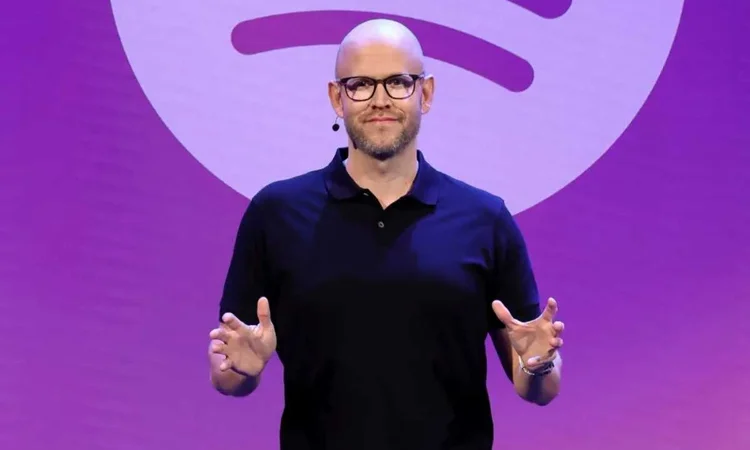
[Source - Variety]
There are several factors that could have influenced Daniel Ek’s decision to step down as CEO of Spotify. While Ek has not cited a single reason for his resignation, industry insiders and analysts have speculated about potential motivations behind his move.
1 - Personal Burnout and Shifting Priorities: Leading a tech giant like Spotify comes with immense pressure. Overseeing a company with a multi-billion-dollar valuation and millions of daily users is a monumental responsibility. Ek’s role has involved not just overseeing the company’s operations but also managing public relations, fundraising, and strategic direction. After over 15 years at the forefront of Spotify, Ek may be seeking a change of pace, particularly as the demands of leadership in the tech industry continue to grow.
In an era of hyper-competition and intense public scrutiny, CEO burnout is a real issue, especially for individuals at the helm of industry-defining companies. Ek may have decided that stepping down would give him the space to focus on his personal life or pursue other ventures. In fact, Ek has previously expressed his interest in investing in other sectors, including startups and emerging technologies.
2 - A Changing Vision for Spotify’s Future: As Spotify matures and the streaming landscape evolves, Ek may feel that it’s time for new leadership with a fresh vision. The company’s growth trajectory may be stabilizing, and Spotify is shifting from a startup mentality to a more established industry player. The company has already begun diversifying its revenue streams, with greater investments in podcasting and even experimentation in AI-powered music production.
If Ek feels that Spotify has reached a critical juncture in its evolution, he may want to hand the reins to someone who can better guide the company through its next phase. Leadership transitions are common in the tech world when companies move from a high-growth phase to a more sustainable, mature stage.
3 - Pressure from Investors and Board Members: Spotify is a publicly traded company, and as such, it must meet the expectations of its shareholders. Over the past few years, Spotify has faced scrutiny over its profitability, particularly in relation to its massive investments in content and technology. Despite its large user base, Spotify has yet to achieve consistent profitability, and investors have been vocal about their desire for the company to focus on its bottom line.
While Ek has been instrumental in Spotify’s growth, the pressure to deliver returns may have contributed to his decision to step down. It's possible that he received pressure from the board or investors to take a backseat and allow new leadership to steer the company toward profitability.
4 - A Desire to Focus on New Ventures: In addition to his work with Spotify, Daniel Ek has made investments in various startups and emerging technologies. Ek is known for his interest in artificial intelligence, tech innovation, and venture capital, and stepping down from Spotify could allow him to focus on these other pursuits. Ek may be looking to invest more time in building new companies or exploring fresh opportunities in the tech world.
The Future of Spotify Without Ek
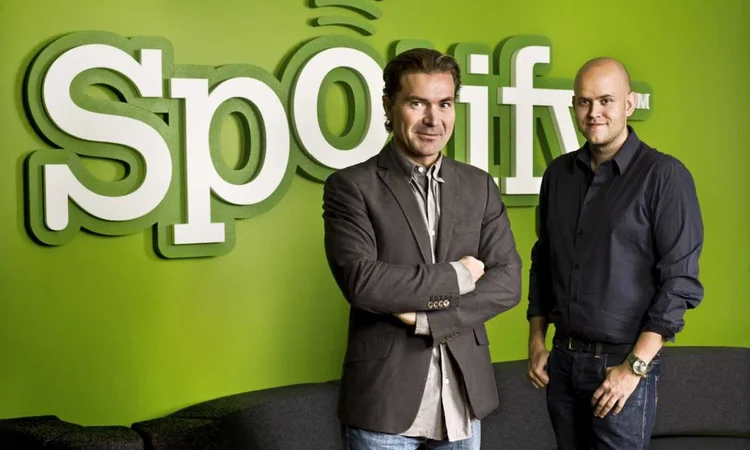
With Ek’s departure, Spotify now faces a crucial turning point. The company will likely appoint a new CEO who will have to navigate an increasingly complex competitive landscape. Whether the next CEO will continue Ek’s vision or chart a new course remains to be seen, but there are several key challenges and opportunities that lie ahead for Spotify.
1. Diversifying Revenue Streams
Spotify’s future growth will likely depend on how well it can diversify its revenue streams beyond music streaming. Podcasts have become a central part of Spotify’s strategy, but they still represent a relatively small portion of the company’s overall revenue. As competition in the music streaming market intensifies, Spotify may look for new ways to monetize its user base, such as through live events, merchandise sales, or collaborations with artists and brands.
2. Maintaining User Loyalty
Spotify has built a strong brand and loyal user base over the years, but it must continue to innovate to retain its audience. With rivals like Apple Music and Amazon Music offering similar features, Spotify’s continued success will depend on its ability to keep users engaged through personalized playlists, exclusive content, and innovative features.
3. Navigating Regulatory Challenges
As Spotify grows and expands its global footprint, it will face increasing regulatory scrutiny. Issues such as copyright law, data privacy, and fair compensation for artists will require careful attention from Spotify’s leadership. The company will need to work with regulators and industry stakeholders to ensure that it continues to operate smoothly and maintain its position as an industry leader.
Conclusion: A Legacy of Disruption
Daniel Ek’s departure from Spotify marks the end of an era for the company he helped build from the ground up. Under his leadership, Spotify transformed the music industry and became a global powerhouse in entertainment. While Ek’s reasons for stepping down remain multifaceted, his legacy as a visionary leader in the music streaming space is undeniable.
As Spotify looks to the future, the challenge will be finding a new leader who can build on Ek’s achievements while navigating the complexities of a rapidly evolving industry. Whether Ek’s departure signals the beginning of a new chapter for Spotify or marks a turning point in its growth, one thing is clear: the world of music streaming will never be the same without him at the helm.







Leave a Reply
Your email address will not be published.