

In the 21st century, cities are evolving at an unprecedented pace. As populations soar, the demand for sustainable, efficient, and technologically advanced urban spaces has never been higher. Enter "smart cities", urban areas that leverage cutting-edge technologies to improve the quality of life, optimize infrastructure, and ensure environmental sustainability. Smart cities are not just about futuristic buildings and sleek tech; they represent a vision of urban living that is interconnected, efficient, and environmentally friendly. In this article, we’ll explore the top 10 smart cities around the globe that are leading the charge in shaping the future of urban life.
1. Singapore: The Pioneer of Smart City Innovation
Singapore has long been recognized as one of the most innovative and forward-thinking cities in the world. Known for its robust infrastructure and cutting-edge technologies, Singapore is often viewed as the benchmark for smart cities. The country’s commitment to integrating IoT (Internet of Things) and big data analytics into daily urban life has earned it a global reputation.
Key Smart Features:
Smart Mobility: Singapore's transport system is highly connected, using sensors, cameras, and data analytics to monitor traffic, optimize routes, and reduce congestion.
Smart Buildings: Most of Singapore’s new buildings are designed with sustainability in mind, using energy-efficient systems, automated lighting, and smart air-conditioning.
Green Spaces: The city-state is home to extensive green spaces like the Gardens by the Bay, which uses innovative technology to monitor and conserve plant life.
Singapore’s government also uses technology to enhance public services, from predictive policing to smart healthcare solutions. The city aims to be a model for other countries seeking to balance growth with environmental sustainability.
2. Copenhagen, Denmark: Sustainability at Its Core
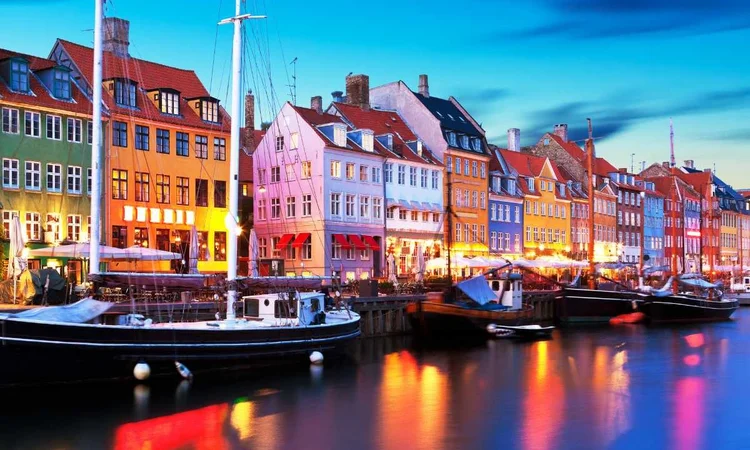
Copenhagen has earned its place among the top smart cities due to its commitment to environmental sustainability, smart energy use, and sustainable urban planning. As one of the world’s greenest cities, Copenhagen sets a high standard for other cities to follow.
Key Smart Features:
Smart Energy Solutions: Copenhagen is known for its ambitious goal of becoming carbon-neutral by 2025. Smart grids and renewable energy sources such as wind and solar power play a significant role in this transformation.
Smart Mobility: The city boasts an extensive cycling infrastructure and promotes eco-friendly transportation options such as electric buses and car-sharing platforms.
Smart Water Management: Copenhagen is using advanced sensors and data analytics to manage its water resources more efficiently, ensuring a reliable supply of clean water while mitigating flood risks.
Copenhagen’s commitment to smart city technologies is deeply rooted in its mission to reduce carbon emissions and create a more livable environment for its citizens.
3. Barcelona, Spain: A Hub for Urban Tech
Barcelona has become a global leader in the development of smart cities. With its dynamic approach to integrating technology into urban planning, Barcelona offers a glimpse of what the future of cities could look like.
Key Smart Features:
Smart Parking: The city uses sensors and mobile apps to monitor and manage parking spaces, reducing traffic congestion and emissions.
Urban Mobility: The city has embraced electric scooters, bike-sharing programs, and smart public transport systems that provide real-time updates for passengers.
Data-Driven Urban Planning: Barcelona uses open data to involve its citizens in decision-making processes, allowing for more transparent and participatory governance.
Barcelona’s combination of smart infrastructure and citizen-focused tech has earned it recognition as one of Europe’s leading smart cities.
4. Amsterdam, Netherlands: A Smart, Sustainable Haven
Amsterdam is another city that has embraced the concept of smart cities with enthusiasm. Known for its high quality of life and progressive environmental policies, Amsterdam uses technology to improve urban living and create sustainable systems.
Key Smart Features:
Smart Grid and Energy Management: Amsterdam has implemented a smart grid to optimize energy distribution and reduce waste, ensuring that energy is used efficiently throughout the city.
Circular Economy: The city promotes a circular economy model, focusing on waste reduction, reuse, and recycling through the use of technology.
Autonomous Vehicles: Amsterdam is testing autonomous vehicles in real-world conditions, aiming to revolutionize transportation and reduce traffic congestion.
Through its use of technology, Amsterdam is paving the way for cities to become more energy-efficient, sustainable, and livable.
5. Seoul, South Korea: Technology-Driven Urban Transformation
Seoul is rapidly transforming into one of the world’s most advanced smart cities. South Korea’s capital is a global tech hub, and the government has implemented numerous digital initiatives aimed at enhancing urban life.
Key Smart Features:
Ubiquitous Wi-Fi: Seoul offers free Wi-Fi in most public spaces, allowing citizens to stay connected while navigating the city.
Smart Traffic Management: The city employs smart traffic lights that adjust in real-time based on traffic flow, minimizing congestion.
E-Government Services: Seoul provides digital access to most government services, making it easier for residents to access public services, pay taxes, and participate in civic activities.
Seoul’s focus on integrating technology into public services and infrastructure makes it a leader in the smart city revolution.
6. Dubai, United Arab Emirates: The City of the Future
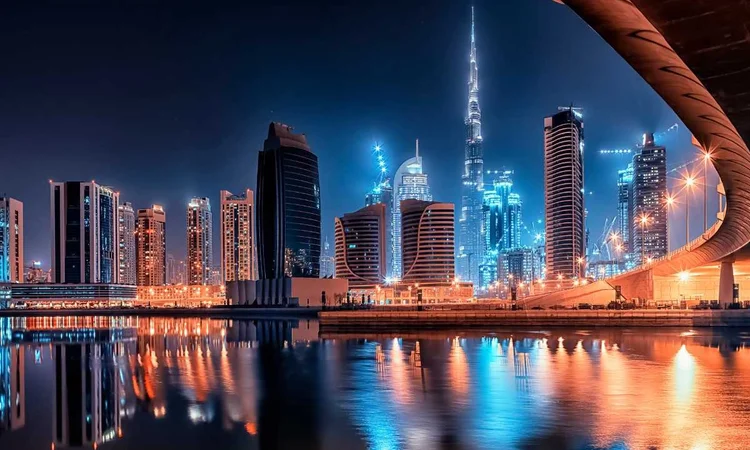
Dubai is known for its futuristic architecture and ambitious plans for urban development. The city is investing heavily in smart technologies to position itself as a global leader in innovation.
Key Smart Features:
Smart Government Services: Dubai’s government offers a range of smart services, including smart healthcare, education, and transportation.
Smart Buildings: The city boasts smart buildings that are energy-efficient and use IoT devices to optimize lighting, temperature, and air quality.
Autonomous Vehicles: Dubai plans to make 25% of all transportation in the city autonomous by 2030, reducing traffic and enhancing mobility.
Dubai’s relentless pursuit of innovation and its focus on integrating smart technologies into every aspect of urban life have positioned it as one of the world’s most futuristic cities.
7. Stockholm, Sweden: A Green and Digital Leader
Stockholm has established itself as a frontrunner in both digital innovation and environmental sustainability. The city’s smart city initiatives are focused on making urban living more sustainable, efficient, and inclusive.
Key Smart Features:
Smart Water Systems: Stockholm uses smart sensors to monitor water quality and ensure that resources are distributed efficiently.
Clean Transportation: The city promotes the use of electric buses, car-sharing programs, and bicycles, making transportation cleaner and more efficient.
Green Building Technologies: Stockholm incorporates green building standards in both new and renovated buildings, ensuring energy efficiency and low carbon footprints.
Stockholm’s commitment to a digital and sustainable future makes it one of the most progressive smart cities in the world.
8. Oslo, Norway: A Model of Green Urban Living
Oslo is one of Europe’s most eco-conscious cities, and it has integrated technology to further its green initiatives. The Norwegian capital is striving to become one of the world’s first cities to go carbon-neutral.
Key Smart Features:
Electric Vehicles (EVs): Oslo leads the world in the adoption of electric vehicles, offering incentives like free parking and tax exemptions to promote EV use.
Sustainable Buildings: Oslo is committed to building energy-efficient homes and offices that meet high environmental standards.
Green Mobility: The city is promoting green transportation options, including electric buses and bike-sharing systems, to reduce its carbon footprint.
Oslo is a shining example of how smart cities can be both technologically advanced and environmentally sustainable.
9. New York City, USA: Smart Urban Innovation in the Big Apple
New York City, one of the world’s largest and most complex urban environments, has embraced the idea of smart city technology to improve the quality of life for its residents.
Key Smart Features:
Smart Traffic and Parking: NYC uses real-time data to optimize traffic flow and improve parking management, reducing congestion.
Public Safety: The city uses sensors and surveillance technology to enhance public safety and respond more effectively to emergencies.
Smart Waste Management: New York has launched a smart waste management system that uses IoT sensors to monitor waste bins and optimize collection routes.
New York’s diverse range of smart technologies has made it a leader in smart urban innovation in North America.
10. Toronto, Canada: A Hub for Innovation and Technology

Toronto is quickly emerging as one of North America’s leading smart cities. The city is embracing innovation and technology to improve its infrastructure, environment, and quality of life for its residents.
Key Smart Features:
Sidewalk Labs Project: Toronto is home to the ambitious Sidewalk Labs project, a smart city initiative that focuses on creating a digital urban environment with sustainable, high-tech solutions.
Green Urban Design: The city is focused on creating green spaces and sustainable urban designs, incorporating energy-efficient buildings and renewable energy solutions.
Smart Healthcare: Toronto is integrating telemedicine and health tech solutions to enhance access to healthcare services for its residents.
Toronto’s focus on smart, sustainable, and innovative urban development places it among the top smart cities in the world.
Conclusion: The Path Forward for Smart Cities
The concept of smart cities is no longer a distant dream; it’s happening now. As technology continues to evolve, these cities are leading the way in transforming urban living, making it more efficient, sustainable, and livable. Whether through green energy solutions, autonomous transportation, or innovative urban design, these cities are setting the stage for the cities of tomorrow. As more cities embrace smart technologies, the future of urban living looks brighter, greener, and more connected than ever before.
These top 10 smart cities are not just embracing technology; they’re creating urban environments that prioritize sustainability, mobility, and the overall well-being of their citizens. The road ahead is filled with challenges, but these cities prove that innovation and technology can make urban living more inclusive, sustainable, and enjoyable for all.









Leave a Reply
Your email address will not be published.