

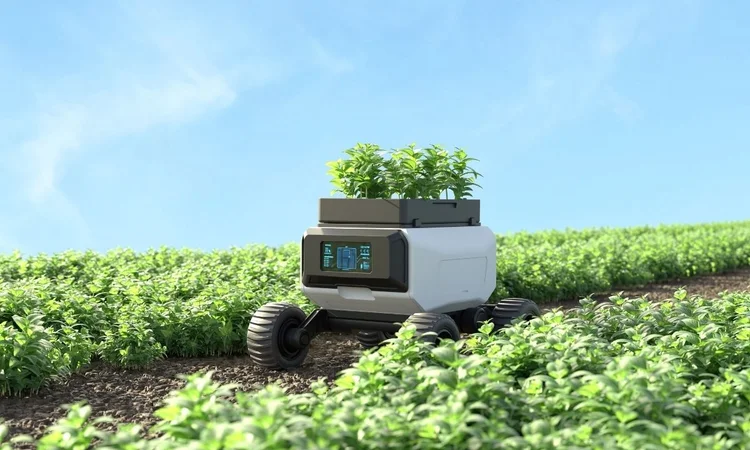
A World at the Edge of a Food Turning Point
The global food system is standing at a historic crossroads. Population growth, climate volatility, water scarcity, soil degradation, and geopolitical instability have converged into a single, undeniable challenge: how to feed the world reliably and sustainably. By 2026, food security is no longer a distant policy concern, it is a daily operational reality for farmers, governments, agribusinesses, and consumers alike. Traditional farming methods, while foundational, are no longer sufficient on their own. What is emerging instead is a data-driven, technology-enabled agricultural revolution that is redefining how food is grown, distributed, and protected.
Smart farming, often referred to as agri-tech or digital agriculture, is not about replacing farmers with machines. It is about empowering farmers with intelligence. In 2026, the fusion of artificial intelligence, sensors, satellites, automation, and analytics is reshaping agriculture into a more resilient, efficient, and food-secure system.
Smart Farming Explained: Where Agriculture Meets Intelligence
Smart farming represents a shift from intuition-based agriculture to insight-driven decision-making. Farms are no longer managed solely by experience passed down through generations, but by real-time data that reveals exactly what crops and animals need, when they need it, and in what quantity. Sensors embedded in soil measure moisture and nutrient levels. Weather data predicts microclimate changes. Satellites and drones scan fields to detect stress before the human eye can see it. Artificial intelligence connects all of this information into actionable recommendations.
By 2026, smart farming has evolved from isolated tools into integrated systems. Instead of farmers juggling multiple disconnected applications, many now operate within unified digital ecosystems that support planting, irrigation, fertilization, pest control, harvesting, and even market access. This intelligence-driven approach is becoming the backbone of modern food production.
Producing More with Less: The New Definition of Food Availability
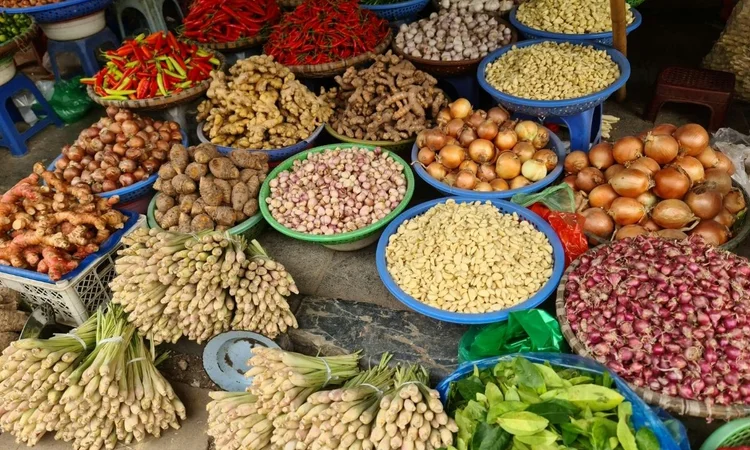
Food availability has traditionally been measured by how much food is produced. In the agri-tech era, availability is increasingly defined by efficiency. Smart farming enables farmers to grow more food using fewer resources, particularly land, water, and fertilizers. Precision irrigation ensures that water reaches crops only when and where it is needed, dramatically reducing waste in water-stressed regions. Fertilizers are applied based on real nutrient deficiencies rather than blanket schedules, protecting soil health while maintaining yields.
In 2026, early-warning systems powered by AI and remote sensing allow farmers to respond to pest infestations, diseases, and weather threats before they escalate into crop failures. These technologies significantly reduce post-planting losses, which have historically been one of the biggest drains on global food availability. The result is a more consistent and predictable food supply, even in regions vulnerable to climate shocks.
From Survival to Sustainability: Improving Access Through Technology
Food security is not just about growing food; it is about ensuring people can afford and access it. Smart farming directly influences food access by lowering production costs and stabilizing farmer incomes. When farmers reduce wasted inputs and prevent crop losses, their margins improve. When margins improve, supply chains become more stable, and price volatility decreases.
In 2026, digital platforms are also helping farmers connect directly to markets. Price transparency tools, digital marketplaces, and mobile-based advisory services enable farmers to make informed selling decisions instead of relying on intermediaries. This shift improves income security for producers while helping consumers access food at fairer prices. As smart farming adoption expands, especially among small and mid-sized farms, the economic barrier to food access continues to shrink.
Feeding People Better, Not Just More: The Role of Technology in Food Utilization
Food utilization focuses on nutritional quality, safety, and the body’s ability to benefit from what is consumed. Smart farming plays a subtle but powerful role here. Precision agriculture reduces the overuse of chemicals, resulting in cleaner produce and healthier ecosystems. Advanced monitoring tools help farmers harvest crops at optimal maturity, improving nutrient density and shelf life.
Traceability technologies have become increasingly important by 2026. Consumers and regulators alike demand transparency about where food comes from and how it is produced. Smart farming systems make it easier to track food from field to fork, strengthening food safety, reducing contamination risks, and building trust across the supply chain. This technological visibility supports healthier diets and safer food consumption worldwide.
Stability in an Unstable Climate: Building Resilient Food Systems
Perhaps the greatest contribution of smart farming to food security lies in stability. Climate change has introduced unprecedented uncertainty into agriculture. Unpredictable rainfall, heat waves, floods, and shifting growing seasons make traditional planning unreliable. Smart farming introduces adaptability into the system.
Predictive analytics help farmers anticipate weather extremes and adjust planting schedules accordingly. Crop models simulate different scenarios, allowing farmers to diversify intelligently rather than reactively. Farm data records also improve access to insurance and credit, helping producers recover faster from shocks. In 2026, resilience is no longer about enduring hardship; it is about designing systems that absorb and adapt to disruption.
Artificial Intelligence Takes the Lead in 2026
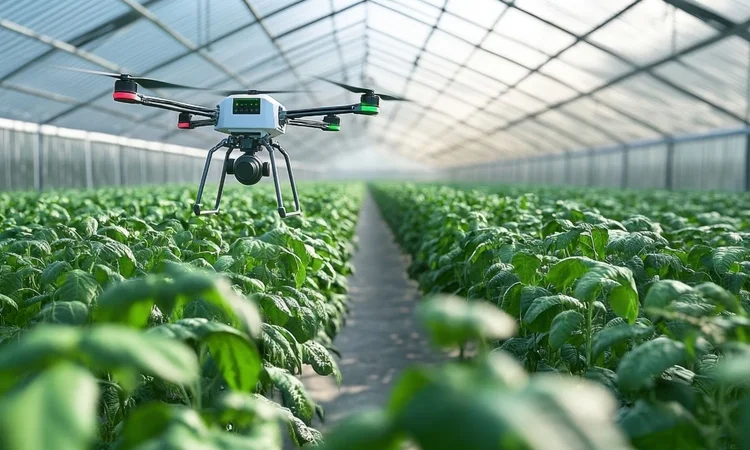
Artificial intelligence has become the central nervous system of modern agriculture. Instead of simply collecting data, AI now interprets patterns across seasons, regions, and crop cycles. In 2026, AI-driven platforms provide predictive insights rather than reactive alerts. Farmers receive recommendations on what will likely happen next, not just what has already happened.
This evolution has transformed farming from a reactive profession into a proactive one. Decisions about irrigation, fertilization, pest control, and harvesting are increasingly based on probability models and predictive intelligence. As AI continues to learn from global agricultural data, its recommendations become more accurate, localized, and valuable over time.
Automation and Robotics: Redefining Farm Labor
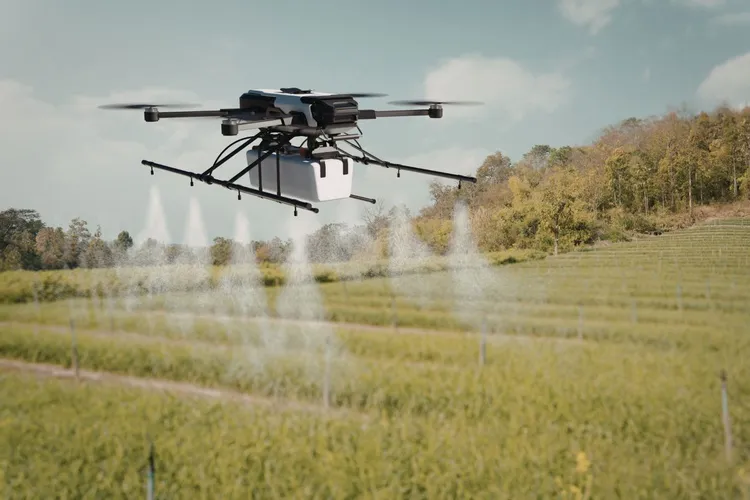
Labor shortages remain a critical challenge in agriculture, and smart farming technologies are reshaping how work gets done. Automated tractors, robotic weeders, and drone-based monitoring systems reduce dependence on manual labor while improving precision. These technologies do not eliminate jobs; instead, they change their nature, shifting labor toward skilled roles such as system management, data interpretation, and equipment oversight.
By 2026, robotics will have also contributed to sustainability goals. Robotic weed control reduces the need for chemical herbicides, while targeted spraying minimizes environmental impact. Automation is no longer just about efficiency, it is about aligning productivity with environmental responsibility.
Small Farmers, Big Impact: Closing the Digital Divide
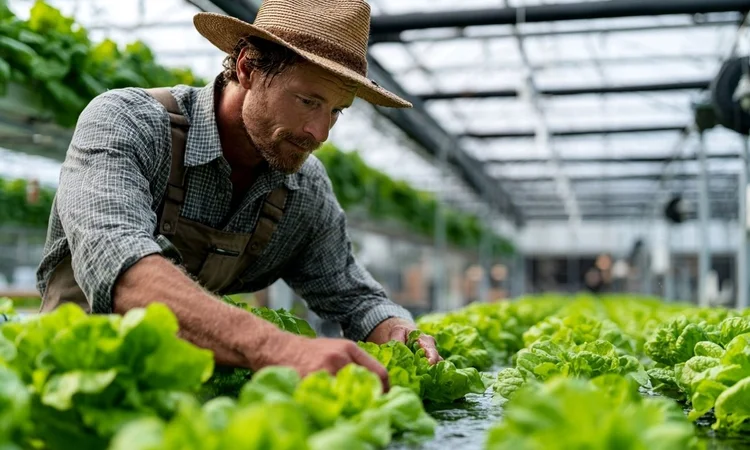
One of the most important developments of 2026 is the growing focus on inclusivity. Historically, advanced agricultural technologies were accessible mainly to large commercial farms. Today, mobile-based platforms, service-based drone models, and government-supported digital initiatives are bringing smart farming to smallholders.
This shift is critical for global food security because small farms produce a significant share of the world’s food. When smallholders gain access to timely information, weather forecasts, and best practices, productivity increases without requiring massive capital investment. The agri-tech revolution’s true success will be measured not by how advanced the technology becomes, but by how widely and equitably it is adopted.
The Challenges That Will Shape the Next Phase
Despite its promise, smart farming is not without challenges. Data ownership, privacy concerns, technology costs, and interoperability issues remain significant barriers. Many farmers still struggle with connectivity limitations and a lack of localized training. In some regions, trust in digital recommendations takes time to build.
Addressing these challenges is essential for long-term success. The future of agri-tech depends on farmer-centric design, transparent data practices, and systems that deliver clear economic value. Technology must serve agriculture, not complicate it.
What the Agri-Tech Revolution Means for the Future
As we move deeper into 2026, smart farming is no longer an innovation on the horizon; it is a defining force shaping the global food system. It is transforming how food is produced, how farmers earn a living, and how societies protect themselves against hunger and instability. The convergence of technology and agriculture is creating a future where food security is not just about survival, but about sustainability, resilience, and dignity.
The agri-tech revolution is not a single invention or platform. It is a mindset shift toward intelligent stewardship of land, water, and life itself. Those who embrace this shift, farmers, policymakers, businesses, and innovators, will play a central role in feeding the world not just today, but for generations to come.








Leave a Reply
Your email address will not be published.