


An Industry Redefined by Pressure and Possibility
The oil and gas industry has always been a cornerstone of global energy systems, powering economies, transportation, and industrial growth for more than a century. Yet by 2026, the industry is undergoing one of the most profound transformations in its history. Climate commitments, investor scrutiny, technological disruption, and shifting energy demand are forcing oil and gas companies to rethink their role in a rapidly changing world.
This transformation does not signal an abrupt end to oil and gas, but rather a strategic evolution. The industry is moving beyond a single-minded focus on fossil fuel extraction toward a broader energy identity. In 2026, oil and gas companies are navigating a complex balance between meeting current energy needs and preparing for a lower-carbon future.
Global Energy Demand Still Depends on Oil and Gas
Despite the rapid growth of renewable energy, oil and gas remain essential to the global energy mix in 2026. Developing economies continue to rely on fossil fuels to support industrialization, transportation, and urban expansion. Even in advanced economies, oil and gas play a critical role in aviation, shipping, petrochemicals, and grid stability.
The challenge facing the industry is not whether oil and gas are still needed, but how they are produced and used. Demand patterns are changing, with growth slowing in some regions and accelerating in others. This uneven landscape requires companies to be more flexible, efficient, and forward-looking than ever before.
From Producers to Energy Companies
One of the most important shifts shaping oil and gas in 2026 is the redefinition of corporate identity. Many companies no longer describe themselves solely as oil and gas producers. Instead, they are repositioning as integrated energy companies with diversified portfolios.
This evolution reflects a strategic recognition that long-term resilience depends on adaptability. Investments in renewable energy, energy storage, hydrogen, and carbon management are becoming central to business models. Oil and gas expertise in large-scale engineering, project management, and energy markets is being leveraged to compete in new energy sectors.
Decarbonization Moves to the Center of Strategy
In 2026, decarbonization is no longer a side initiative or public relations exercise. It is embedded in operational and financial planning. Companies are setting measurable emissions reduction targets and aligning capital expenditure with long-term climate goals.
Operational decarbonization focuses on reducing emissions from production, processing, and transportation. Methane management has become a priority, with advanced monitoring technologies helping to detect and eliminate leaks. Electrification of equipment and the use of low-carbon power sources are reducing the carbon intensity of operations. Decarbonization is increasingly viewed as a pathway to efficiency, cost savings, and regulatory compliance.
Carbon Capture as a Bridge to the Future

Carbon capture technologies have emerged as a defining trend in oil and gas for 2026. These systems capture carbon dioxide from industrial processes and either store it underground or reuse it in other applications. For an industry built on subsurface expertise, carbon capture aligns naturally with existing capabilities.
Carbon capture enables oil and gas operations to continue while significantly reducing their climate impact. It also supports the decarbonization of other industries, such as cement and steel, creating new revenue opportunities. In 2026, carbon management is not just about compliance it is about positioning oil and gas companies as solution providers in the global climate challenge.
Hydrogen Gains Momentum as a Strategic Fuel
Hydrogen has moved from concept to commercial strategy within the oil and gas industry. In 2026, hydrogen is seen as a critical energy carrier for decarbonizing sectors that are difficult to electrify. Oil and gas companies are investing in hydrogen production, transport, and infrastructure, leveraging their experience in gas handling and pipeline networks.
Both low-carbon hydrogen produced from natural gas with carbon capture and hydrogen produced from renewable energy are part of the emerging landscape. This diversification allows companies to participate in future energy systems while utilizing existing assets. Hydrogen represents a bridge between today’s energy reality and tomorrow’s low-carbon ambitions.
Digital Transformation Reshapes Operations
Digital technology is playing a transformative role in oil and gas operations in 2026. Advanced analytics, artificial intelligence, and automation are improving efficiency across exploration, production, and refining. Real-time data enables predictive maintenance, reducing downtime and extending asset life.
Digital twins provide virtual models of facilities, allowing operators to test scenarios and optimize performance without physical risk. AI-driven exploration tools improve subsurface understanding, reducing the environmental footprint of drilling activities. Digital transformation is turning oil and gas operations into smarter, safer, and more responsive systems.
Automation Enhances Safety and Productivity
Automation has become essential in an industry where safety and reliability are paramount. In 2026, automated drilling systems, remote-controlled platforms, and autonomous inspection tools are increasingly common. These technologies reduce human exposure to hazardous environments while maintaining high operational standards.
Remote operations centers allow teams to manage assets across multiple locations, improving coordination and decision-making. Automation not only enhances safety but also addresses workforce challenges by reducing reliance on on-site personnel. Productivity gains from automation are helping companies remain competitive in a cost-sensitive market.
Capital Discipline in a Changing Investment Climate
Investor expectations have shifted dramatically, and capital discipline is a defining feature of oil and gas in 2026. Investors now prioritize returns, transparency, and environmental performance over rapid production growth. Companies are under pressure to demonstrate financial resilience while aligning with sustainability goals.
This shift has led to more selective investment decisions and a focus on high-quality assets. Projects are evaluated not only for profitability but also for emissions intensity and long-term viability. Capital discipline is reshaping the industry into a more measured and accountable sector.
Natural Gas as a Transitional Energy Source
Natural gas continues to play a significant role in the energy transition. In 2026, it is widely viewed as a transitional fuel that supports the shift toward lower-carbon energy systems. Gas-fired power provides flexibility and reliability, complementing intermittent renewable sources.
Oil and gas companies are investing in cleaner gas production, improved efficiency, and infrastructure that supports future low-carbon applications. The role of natural gas is evolving, but its importance remains strong in the near to medium term.
Geopolitics and Energy Security Take Center Stage
Energy security has reemerged as a critical concern, shaping oil and gas strategies worldwide. In 2026, geopolitical tensions and supply disruptions have highlighted the importance of reliable energy sources. Governments are balancing climate goals with the need to ensure affordable and stable energy supplies.
Oil and gas companies operate in an increasingly complex geopolitical environment where transparency, compliance, and ethical sourcing are essential. Strategic partnerships and diversified supply chains are key to managing risk. Energy security considerations continue to influence policy and investment decisions.
Workforce Transformation in a Modern Energy Industry

The oil and gas workforce is evolving alongside the industry itself. In 2026, there is a growing demand for skills in data science, automation, environmental management, and systems engineering. Traditional roles are being redefined as technology becomes more central to operations.
Companies are investing in reskilling and workforce development to retain talent and remain competitive. A new generation of professionals is entering the industry, attracted by opportunities to work on complex energy challenges and contribute to sustainability efforts. Workforce transformation is essential to the industry’s long-term success.
Social Responsibility and Public Trust
Public perception of oil and gas remains mixed, and trust is a critical issue in 2026. Companies are increasingly engaging with communities, improving transparency, and addressing environmental and social concerns. Responsible operations and open communication are essential for maintaining a social license to operate.
Social responsibility extends beyond emissions to include safety, local economic development, and ethical governance. Companies that demonstrate genuine commitment to these values are better positioned to navigate regulatory and reputational challenges.
Innovation Drives Competitive Advantage
Innovation has become a defining factor in oil and gas competitiveness. Companies that invest in new technologies, diversify energy portfolios, and adapt to changing markets are gaining an edge. Innovation is not limited to technology alone; it also includes new business models, partnerships, and approaches to value creation.
In 2026, the most successful oil and gas companies are those that view change as an opportunity rather than a threat. Adaptability and foresight are replacing scale and legacy as the primary drivers of success.
The Road Ahead for Oil and Gas
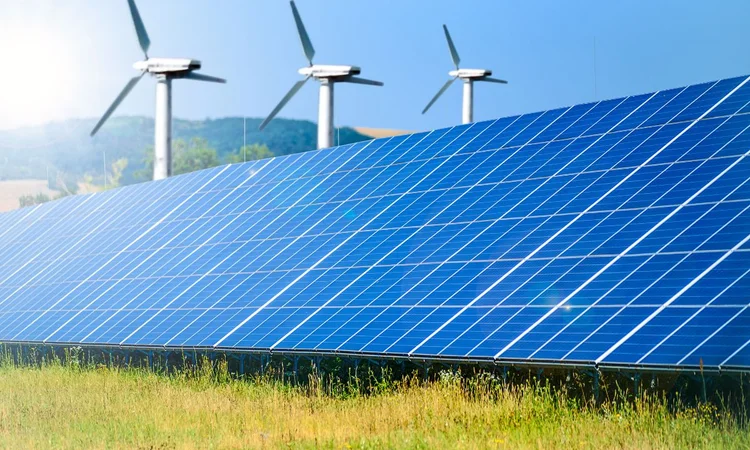
The future of oil and gas is not a simple narrative of decline or dominance. It is a story of transformation. In 2026, the industry stands between its fossil fuel past and a diversified energy future. Oil and gas will continue to play a vital role in global energy systems, but the way they are produced, managed, and integrated is changing rapidly.
Beyond fossil fuels lies an industry that contributes to energy security, supports economic development, and participates actively in the transition to lower-carbon energy. The choices made today will determine whether oil and gas remain relevant and responsible in the decades to come.
A New Chapter in Global Energy
Oil and gas in 2026 are writing a new chapter in global energy history. This chapter is defined by innovation, accountability, and strategic evolution. By embracing decarbonization, digital transformation, and diversification, the industry is reshaping its identity and purpose.
Moving beyond fossil fuels does not mean abandoning the present it means preparing for the future. The oil and gas industry’s ability to adapt will shape not only its own destiny, but the trajectory of global energy systems for generations to come.









Leave a Reply
Your email address will not be published.