

In the past two decades, the world has witnessed an incredible transformation in how humans connect with technology. From the bulky desktop computers of the 1990s to today’s sleek smartphones, technology has consistently redefined communication, productivity, and even entertainment. But the smartphone, once seen as the pinnacle of innovation, may no longer be the final frontier. A new generation of devices is taking center stage, led by smart glasses, wearable technology, and brain-computer interfaces (BCIs). Together, they are shaping a future that transcends the limitations of traditional screens and handheld devices.
This blog explores the evolution, potential, and challenges of these groundbreaking technologies, showing why the next decade will mark a radical shift beyond phones.
The Smartphone Era: A Glorious Peak or a Plateau?
For nearly 15 years, smartphones have been the command center of digital life. They combined the power of computers, cameras, maps, and wallets into a pocket-sized marvel. Yet, many experts argue that the smartphone is reaching maturity.
Screen size can only grow so much before it becomes impractical.
Incremental updates, better cameras, faster chips, don’t feel revolutionary anymore.
User dependency on mobile apps has created digital fatigue.
The result? Consumers and innovators alike are searching for what comes next, and all signs point toward wearables and immersive computing.
Smart Glasses: Redefining Augmented Reality
Smart glasses are no longer the clunky prototypes we saw in Google Glass a decade ago. With tech giants like Apple, Meta, and Samsung investing billions in AR/XR ecosystems, glasses are emerging as the heirs to the smartphone throne.
Features Driving Adoption
Hands-Free Access – Information overlays, maps, and notifications appear seamlessly in a user’s field of vision.
Immersive AR – Enhanced shopping experiences, gaming, and real-world navigation.
Workplace Integration – Remote training, industrial design, and real-time data for surgeons or engineers.
Examples in Motion
Apple Vision Pro hinted at what AR could achieve, though bulky, it laid the groundwork for lightweight successors.
Ray-Ban Meta Smart Glasses combine style with functionality, offering voice assistants, cameras, and AI integration.
Samsung and Google’s XR collaborations are rumored to produce sleek glasses capable of merging digital and physical worlds seamlessly.
Smart glasses represent more than just displaying information, they represent a step toward making technology ambient, invisible, and omnipresent.
Wearables: From Fitness Trackers to Health Guardians
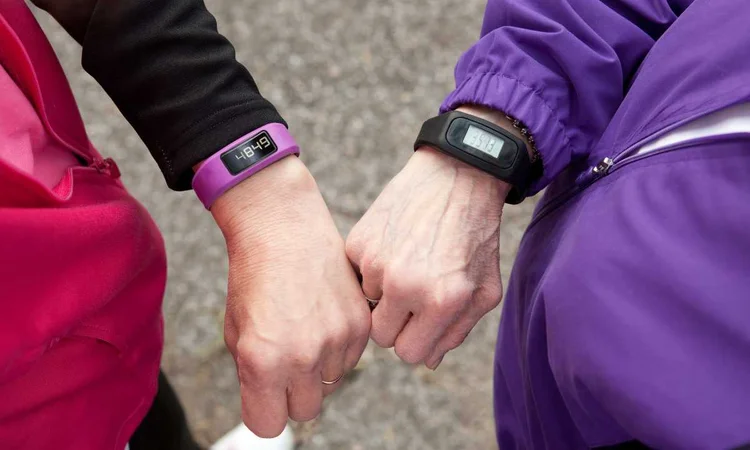
Wearable devices started as fitness trackers, helping people count steps or monitor sleep. But today, they’re becoming miniature healthcare ecosystems and lifestyle assistants.
Evolving Capabilities
Health Monitoring: Continuous heart-rate tracking, ECG scans, blood oxygen, and even blood sugar monitoring.
AI-Powered Insights: Predicting illnesses, offering personalized workout recommendations, or detecting stress levels.
Fashion Meets Functionality: Stylish designs make wearables more appealing than utilitarian gadgets.
The Broader Impact
Healthcare Revolution – Devices like the Apple Watch or Fitbit are already saving lives by detecting heart anomalies. Future wearables may replace invasive procedures with non-invasive diagnostics.
Corporate Wellness – Businesses are integrating wearables into employee health programs, boosting productivity and reducing healthcare costs.
Sports & Performance – Athletes use wearables for precision tracking, enhancing training and reducing injuries.
Wearables are moving from optional lifestyle gadgets to essential personal health companions.
Brain-Computer Interfaces: The Final Frontier
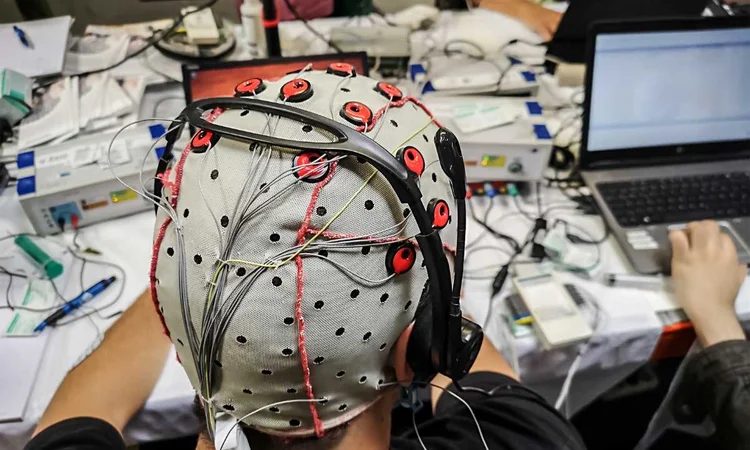
If smart glasses make technology visible and wearables make it intimate, brain-computer interfaces make it seamless.
What Are BCIs?
Brain-computer interfaces allow direct communication between the brain and external devices. This means skipping keyboards, touchscreens, and even voice commands, technology responds to thought itself.
Why It’s Revolutionary
Medical Applications: Helping paralyzed individuals control prosthetics, restoring vision, or aiding communication for those with ALS.
Productivity & Gaming: Imagine typing emails or navigating virtual worlds using nothing but thought.
Merging Human & AI: BCIs open the door to “cognitive augmentation,” where humans enhance memory, learning, and decision-making by linking directly with artificial intelligence.
Pioneering Companies
Neuralink (Elon Musk): Developing implantable chips to restore motor function and cognition.
Synchron: Focused on minimally invasive BCIs approved for human trials.
Meta’s BCI Research: Exploring neural wristbands and brain signal tracking for AR/VR integration.
While still in early stages, BCIs represent a paradigm shift that could make physical devices obsolete in the long term.
The Convergence: Building a Post-Smartphone Ecosystem
The most exciting part of this future isn’t each device alone; it’s their synergy. Imagine this:
Your smart glasses project your daily planner on the wall while you sip coffee.
Your wearable health monitor detects rising stress levels and suggests a breathing exercise.
Your BCI helps you instantly pull up data for a presentation, without lifting a finger.
Together, these devices create a fluid ecosystem where the digital blends with the physical, and where technology becomes a seamless extension of the self.
Challenges on the Road Ahead
Despite the promise, significant hurdles remain:
Privacy & Data Security – Who controls sensitive health or brain data?
Affordability & Accessibility – Will these devices remain luxury gadgets or reach mass adoption?
Ethical Dilemmas – BCIs, in particular, raise questions about human autonomy and surveillance.
Design & Usability – Devices must be comfortable, stylish, and practical for daily life.
Overcoming these challenges will require collaboration between technologists, regulators, and society at large.
Looking Ahead: A Post-Phone World
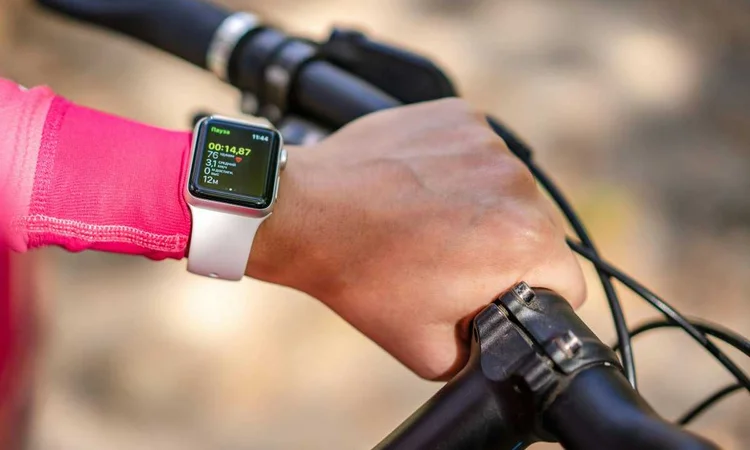
The future of personal technology is not about carrying a better phone; it’s about carrying less while experiencing more. Smart glasses will deliver immersive reality, wearables will become health guardians, and brain interfaces will turn thought into action.
Just as the smartphone redefined life in the early 2000s, these technologies promise to reshape human existence in the 2030s and beyond. They won’t just change how we communicate, they’ll change how we think, feel, and live.
The transition beyond phones isn’t just about gadgets; it’s about humanity stepping into an era where the line between biology and technology begins to blur. And in that convergence lies the promise of a smarter, healthier, and more connected world.










Leave a Reply
Your email address will not be published.