


A New Battlefield in the Digital Age
Cybersecurity has become one of the defining challenges of the digital era. By 2026, cyber threats are no longer isolated incidents carried out by lone hackers. They are organized, persistent, and increasingly intelligent. Nation-states, cybercriminal networks, and automated attack systems continuously probe digital infrastructures for weaknesses.
At the same time, the world has become more connected than ever. Cloud computing, remote work, IoT devices, and digital supply chains have expanded the attack surface dramatically. In response, cybersecurity has entered a new phase of evolution. Artificial intelligence and Zero Trust architecture are emerging as the most powerful weapons in the ongoing cyber war.
From Perimeter Defense to Constant Vigilance
Traditional cybersecurity relied heavily on perimeter-based defenses. Firewalls, network boundaries, and static access controls once defined security strategy. In 2026, this model is no longer sufficient. The modern enterprise has no clear perimeter.
Data flows across clouds, devices, and third-party platforms. Employees access systems from anywhere. Cyber threats exploit this complexity. Security must now assume that breaches are inevitable and focus on minimizing impact rather than relying solely on prevention.
Cyber Threats Grow Smarter and Faster
The sophistication of cyber threats has increased dramatically. In 2026, attackers leverage automation, AI-driven reconnaissance, and social engineering to bypass defenses. Malware adapts dynamically, phishing campaigns personalize themselves, and attacks evolve in real time.
These threats move faster than human response alone can handle. Manual monitoring and reactive defense are no longer enough. Cybersecurity must operate at machine speed to keep pace with machine-driven attacks.
Artificial Intelligence Becomes the Cybersecurity Brain
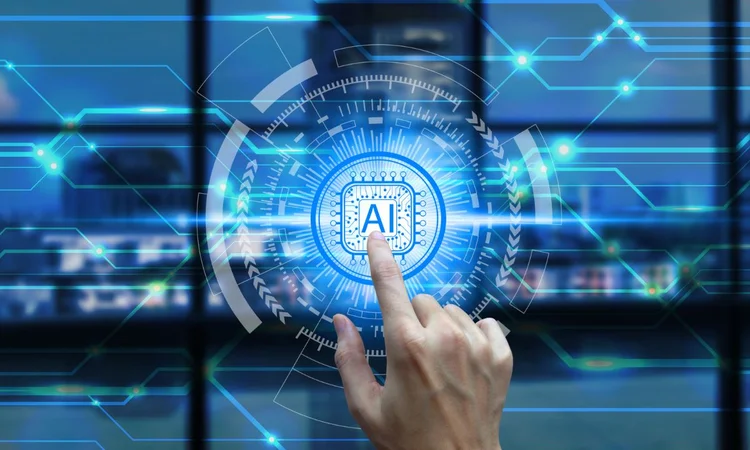
Artificial intelligence has become central to modern cybersecurity strategy. In 2026, AI systems continuously analyze massive volumes of network traffic, user behavior, and system activity. They detect anomalies that would be invisible to traditional tools.
AI does not rely on predefined signatures alone. It learns what normal behavior looks like and identifies deviations instantly. This capability enables early detection of threats before damage occurs. AI acts as the brain of modern security operations.
Threat Detection Shifts From Reactive to Predictive
One of the most powerful advantages of AI in cybersecurity is predictive capability. In 2026, AI models anticipate threats by identifying patterns that precede attacks. This foresight allows organizations to act before incidents escalate.
Predictive detection transforms cybersecurity from a reactive discipline into a proactive one. Security teams gain time to respond strategically rather than scrambling after breaches. Prevention becomes smarter and more effective.
Automated Response Reduces Damage and Downtime
Speed is critical during cyber incidents. In 2026, AI-powered security systems respond automatically to detected threats. They isolate compromised devices, revoke access, and contain malware within seconds.
This automation minimizes damage and downtime. Human teams oversee strategy and decision-making, while AI executes immediate defensive actions. Together, they form a hybrid defense model that combines speed with judgment.
AI Fights AI in the Cyber Arms Race
Cybersecurity in 2026 is defined by an arms race between attackers and defenders, both powered by AI. Attackers use AI to generate adaptive malware and deceptive phishing tactics. Defenders use AI to counter these threats with equal sophistication.
This dynamic accelerates innovation on both sides. Organizations that fail to adopt AI-driven defenses fall behind quickly. Cybersecurity becomes a continuous race for intelligence superiority.
Zero Trust Architecture Redefines Security Philosophy
Alongside AI, Zero Trust architecture has emerged as a foundational security principle. In 2026, Zero Trust replaces implicit trust with continuous verification. No user, device, or system is trusted by default, regardless of location.
This philosophy reflects modern digital realities. With distributed systems and remote access, trust must be earned repeatedly rather than assumed. Zero Trust shifts security from static rules to dynamic evaluation.
Identity Becomes the New Security Perimeter
In a Zero Trust world, identity replaces the network perimeter. In 2026, access decisions are based on who the user is, what device they use, and how they behave. Authentication is continuous rather than one-time.
This approach limits lateral movement within systems. Even if attackers gain access, their ability to escalate privileges is restricted. Identity-centric security reduces the blast radius of breaches.
Continuous Authentication Enhances Protection
Traditional login systems rely on a single authentication event. In 2026, Zero Trust architecture employs continuous authentication. User behavior is monitored throughout sessions to ensure legitimacy.
If behavior changes unexpectedly, access is adjusted or revoked automatically. This dynamic approach improves security without disrupting productivity. Continuous verification becomes seamless and invisible to legitimate users.
Least Privilege Access Minimizes Risk
Zero Trust emphasizes least privilege access. In 2026, users and applications receive only the permissions they need, for only as long as they need them.
This restriction significantly reduces risk. Even if credentials are compromised, attackers encounter limited access. Least privilege transforms access control into a powerful defensive mechanism.
AI Enhances Zero Trust Decision-Making
AI and Zero Trust architecture reinforce each other. In 2026, AI analyzes contextual signals such as location, device health, and usage patterns to inform access decisions.
This intelligence ensures that Zero Trust policies remain flexible rather than rigid. Security adapts to real-world conditions without creating friction. AI enables Zero Trust to scale effectively.
Cloud Security Demands New Approaches

Cloud adoption has reshaped infrastructure. In 2026, cloud environments dominate enterprise IT. Traditional security tools struggle to protect these dynamic systems.
AI-driven monitoring and Zero Trust access controls provide cloud-native security. Organizations gain visibility across environments and enforce consistent policies. Cloud security becomes integrated rather than fragmented.
Remote Work Security Becomes Non-Negotiable
Remote and hybrid work models are now permanent. In 2026, securing remote access is a top priority. Employees connect from diverse networks and devices.
Zero Trust ensures that remote access does not equate to reduced security. AI monitors behavior and detects anomalies regardless of location. Productivity and protection coexist.
Supply Chain Attacks Drive New Defense Strategies
Supply chain attacks have become a major concern. In 2026, attackers exploit trusted vendors to infiltrate larger organizations. Traditional trust models fail under these conditions.
Zero Trust limits implicit trust between systems. AI monitors third-party interactions continuously. Organizations gain greater control and visibility over supply chain risk.
Ransomware Evolves Into a Strategic Threat
Ransomware remains one of the most damaging cyber threats. In 2026, attacks are more targeted and disruptive, often combined with data theft and extortion.
AI-driven detection identifies ransomware behavior early. Zero Trust restricts its spread across systems. Together, these defenses reduce impact and recovery time.
Human Error Remains a Key Vulnerability
Despite technological advances, human error continues to play a role in cyber incidents. In 2026, phishing and social engineering remain effective attack vectors.
AI assists by analyzing communication patterns and flagging suspicious behavior. Security awareness training evolves alongside technology. Humans remain part of the defense strategy, supported by intelligent systems.
Security Operations Become Data-Driven
Security operations centers in 2026 rely heavily on data-driven insights. AI consolidates alerts, prioritizes risks, and reduces noise.
This clarity improves decision-making and reduces analyst fatigue. Security teams focus on meaningful threats rather than chasing false positives. Data transforms security operations into strategic functions.
Cybersecurity Talent Evolves With Technology
The role of cybersecurity professionals is changing. In 2026, experts focus on strategy, oversight, and response rather than manual monitoring.
AI handles repetitive tasks, while humans provide context and ethical judgment. Upskilling becomes essential as tools grow more sophisticated. Cybersecurity talent adapts alongside technology.
Regulation and Compliance Shape Security Strategy
Governments and regulators play an increasing role in cybersecurity. In 2026, compliance requirements emphasize resilience, transparency, and accountability.
AI-driven reporting and Zero Trust frameworks support compliance efforts. Organizations integrate regulatory considerations into security architecture. Compliance becomes a driver of innovation rather than a constraint.
Privacy and Ethics Gain Strategic Importance
As AI analyzes vast amounts of data, privacy concerns grow. In 2026, ethical use of AI becomes a central issue in cybersecurity.
Organizations prioritize transparency and consent. Responsible AI practices build trust with customers and stakeholders. Ethics become inseparable from effective security.
Small Organizations Embrace Advanced Security
Advanced cybersecurity was once reserved for large enterprises. In 2026, AI-powered tools democratize access to sophisticated defenses.
Small and mid-sized organizations deploy AI and Zero Trust solutions through cloud platforms. This accessibility improves overall digital resilience. Cybersecurity becomes scalable and inclusive.
Measuring Security Beyond Incident Counts
Security success is no longer measured only by the absence of breaches. In 2026, organizations evaluate resilience, detection speed, and recovery capability.
AI provides metrics that reflect real-world readiness. Zero Trust ensures that systems remain operational under attack. Measurement shifts from fear-based metrics to performance-based ones.
Challenges in Implementing AI and Zero Trust
Adopting AI and Zero Trust is not without challenges. Integration complexity, cultural resistance, and skills gaps require careful planning.
Organizations must align technology with processes and people. Leadership commitment is essential. Successful implementation depends on strategy, not just tools.
Building a Security-First Culture
Technology alone cannot win the cyber war. In 2026, organizations emphasize security-first culture. Employees understand their role in protecting digital assets.
AI supports awareness and enforcement. Zero Trust reinforces accountability. Culture and technology work together to strengthen defenses.
Cyber Resilience Becomes the Ultimate Goal
The goal of cybersecurity has evolved. In 2026, resilience matters more than absolute prevention. Organizations accept that threats will occur and focus on surviving and recovering quickly.
AI enables rapid detection and response. Zero Trust limits damage. Resilience becomes the benchmark of security maturity.
The Future of Cyber Defense Is Autonomous

Looking ahead, cybersecurity becomes increasingly autonomous. AI systems make real-time decisions with minimal human intervention.
This autonomy is guided by policy and oversight. Humans remain in control of strategy, while machines execute defense. The future of cyber defense balances automation with accountability.
Winning the Cyber War With Intelligence
Cyber threats in 2026 are relentless and evolving. Winning the war requires intelligence, speed, and adaptability. AI provides the analytical power needed to understand complex threats.
Zero Trust architecture ensures that trust is never assumed. Together, they form a resilient defense model suited to modern digital environments.
Cybersecurity as a Strategic Business Function
Cybersecurity is no longer a technical concern alone. In 2026, it is a strategic business function that protects reputation, revenue, and trust.
AI and Zero Trust align security with business objectives. Secure organizations innovate confidently. Cybersecurity enables growth rather than restricting it.
A New Era of Digital Defense
The cyber war will never truly end, but the balance of power is shifting. In 2026, organizations equipped with AI and Zero Trust architecture are no longer passive targets.
They are intelligent defenders capable of anticipating, containing, and recovering from attacks. Cybersecurity evolves from fear-driven defense to confident resilience.
The Path Forward in Cybersecurity
The future belongs to organizations that embrace intelligent, adaptive security models. AI and Zero Trust are not trends, they are foundational pillars of modern defense.
As cyber threats continue to evolve, so must our defenses. In 2026, winning the cyber war is not about building higher walls. It is about building smarter systems that never stop watching, learning, and adapting.









Leave a Reply
Your email address will not be published.