

Oracle, the global tech giant known for its powerful software solutions, cloud services, and database systems, is undergoing a significant leadership transition. The company recently announced that Safra Catz, its long-time CEO, will be replaced by not one, but two new Co-CEOs. This unexpected move has sent shockwaves through the tech industry, leaving many to wonder about the reasoning behind this decision and what it means for Oracle’s future.
In this article, we’ll delve into the motivations behind Oracle’s shift in leadership, examine the potential benefits and challenges of having Co-CEOs, and explore what it might mean for the company and its stakeholders. Whether you’re a tech enthusiast, an Oracle investor, or just someone curious about corporate leadership changes, this comprehensive analysis will provide you with valuable insights into one of the biggest shake-ups in Silicon Valley.
A New Era at Oracle: The Leadership Transition
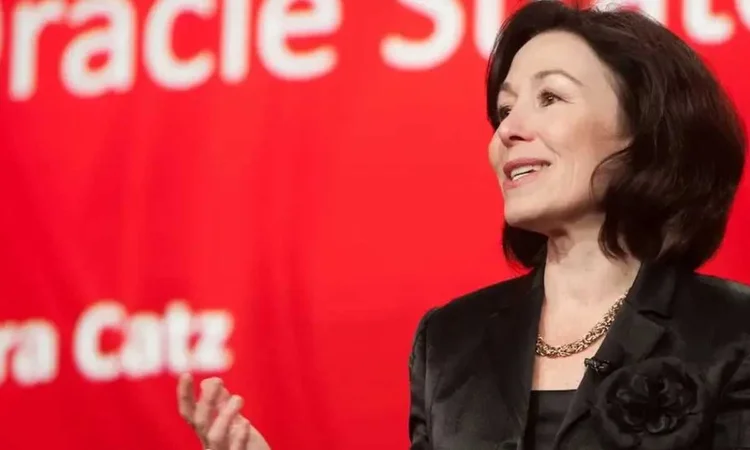
For over two decades, Safra Catz has been one of the most influential and high-profile figures at Oracle. Catz joined the company in 1999 and quickly rose through the ranks to become its co-CEO in 2014 alongside the late Larry Ellison, Oracle’s founder. Since Ellison stepped down from the CEO role, Catz has been at the helm, steering Oracle through its various transitions, including a major pivot to cloud computing.
However, Oracle’s recent announcement that it will be appointing Co-CEOs to replace Catz has raised eyebrows. The company revealed that Catz will be transitioning out of the top role, though she will remain with Oracle in an executive capacity, focusing on corporate strategy and global markets. She will be replaced by two individuals: Safra Catz’s longtime colleague, Larry Ellison, and a new partner in leadership, Thomas Kurian.
So, why is Oracle making such a significant move at this point?
The Shift to Co-CEOs: Why Not Just One Leader?
[Source - Business Chief]
While the concept of co-CEOs may seem unusual to some, it is not without precedent in the tech world. Several other companies, including Salesforce and SAP, have experimented with dual leadership in the past. However, for a company of Oracle’s size and influence, this decision is highly notable.
1. A Strategic Response to Rapid Technological Change
One key factor that may have influenced Oracle’s decision to transition to a Co-CEO model is the rapid evolution of the tech landscape. Oracle, once known primarily for its database software, has undergone a significant transformation in recent years. Cloud computing, artificial intelligence, and machine learning are reshaping the industry, and Oracle has been working to reposition itself as a cloud-first company.
As Safra Catz moves to a more advisory role, having two leaders, Larry Ellison, a visionary founder who understands Oracle’s core culture, and Thomas Kurian, a seasoned cloud expert, could be a strategic way to blend Oracle’s heritage with its future ambitions. This pairing allows for the leadership team to tackle different aspects of the business: Ellison provides deep insight into Oracle’s long-term vision and market positioning, while Kurian leads the charge on cloud development, customer relationships, and innovation.
2. Emphasizing Collaboration Over Centralized Power
Oracle has long been associated with strong, centralized leadership, first under Ellison and later under Catz. However, in today’s corporate climate, more companies are exploring distributed leadership models. The move to Co-CEOs can be seen as a shift away from a top-down, authoritarian structure toward a more collaborative and balanced approach to leadership. By sharing the responsibilities of the CEO position, Oracle may be signaling to its employees, customers, and shareholders that it values cooperation and synergy over unilateral decision-making.
Kurian, who joined Oracle in 1996 and was a pivotal figure in the company’s cloud transformation, has deep experience working within Oracle’s complex corporate structure. He is expected to bring a fresh perspective while still operating within Oracle’s familiar framework.
3. Succession Planning and Mitigating Risk
Another reason for the leadership transition could be succession planning. Catz has been at Oracle’s helm for many years, and her departure from the CEO role marks a critical moment in the company’s leadership evolution. By choosing to elevate both Ellison and Kurian to co-CEO positions, Oracle is positioning itself to have a strong leadership team in place that is less reliant on one individual.
This decision also reduces the risk associated with the sudden departure of a CEO or other high-level executive. With two highly qualified individuals sharing the responsibilities, Oracle is ensuring that its leadership is more resilient, adaptable, and capable of handling unexpected changes.
A Deep Dive Into Oracle’s Co-CEOs: Larry Ellison and Thomas Kurian
To fully understand the motivations behind Oracle’s decision to appoint Co-CEOs, it’s essential to look at the backgrounds and expertise of the two individuals who will take on this dual leadership role.
Larry Ellison: The Visionary Founder
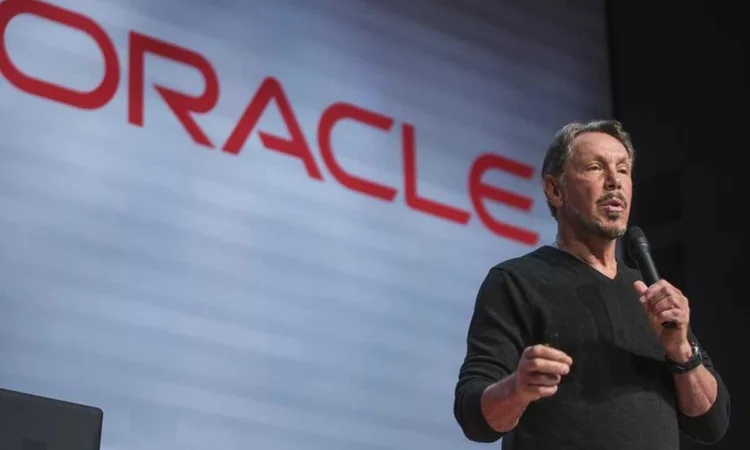
Larry Ellison, Oracle’s founder and former CEO, is a Silicon Valley legend. Known for his visionary thinking and aggressive approach to business, Ellison built Oracle into one of the world’s leading tech companies. Under his leadership, Oracle became a powerhouse in enterprise software, database management, and later, cloud computing.
Even though Ellison stepped down from the CEO role in 2014, he has continued to play an active role in Oracle’s direction, serving as the company’s executive chairman and chief technology officer. His return to the CEO position will likely provide Oracle with strong leadership on the strategic front.
Ellison’s deep technical expertise and business acumen will be crucial in guiding Oracle’s future innovation. His understanding of the company’s history and culture, paired with his aggressive, visionary mindset, makes him a key figure for Oracle as it moves further into the cloud era.
Thomas Kurian: The Cloud Expert
[Source - Forbes]
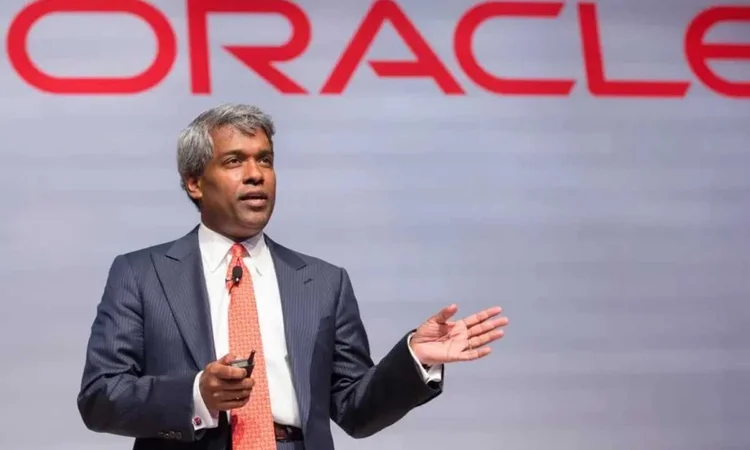
Thomas Kurian, who was a key figure in Oracle’s successful pivot to the cloud, brings a wealth of knowledge about cloud computing and customer relationships. Before becoming Co-CEO, Kurian served as Oracle’s president of product development, where he played a crucial role in the company’s cloud-first strategy.
Kurian’s leadership in the cloud space has been instrumental in transforming Oracle into a viable competitor to Amazon Web Services (AWS) and Microsoft Azure. His expertise in cloud infrastructure, enterprise software, and customer relations will be invaluable as Oracle seeks to accelerate its growth in the cloud market.
With a background in engineering and a strong focus on product development, Kurian is well-equipped to drive Oracle’s technological innovation forward. His expertise, combined with Ellison’s visionary leadership, creates a powerful synergy that Oracle hopes will lead to continued success in the rapidly changing tech landscape.
What Does This Leadership Change Mean for Oracle’s Future?
While the appointment of Co-CEOs marks a significant leadership shift, it is important to consider how this change will impact Oracle’s operations and its future trajectory.
1. Reinforcing Oracle’s Cloud Ambitions
One of the most significant impacts of this leadership change is likely to be on Oracle’s cloud strategy. With Kurian at the helm alongside Ellison, Oracle is poised to further solidify its position as a major player in the cloud computing space. Kurian’s deep expertise in cloud services will be essential in ensuring that Oracle continues to innovate and expand its cloud offerings, competing directly with other industry giants.
2. A More Balanced Approach to Decision-Making
The move to Co-CEOs may also signal a shift toward a more balanced and collaborative approach to decision-making at Oracle. By having two leaders with complementary skills, the company can avoid over-reliance on any one individual and ensure that major decisions are made with a broader perspective.
3. Maintaining Oracle’s Core Culture
At the same time, Oracle must be careful not to lose the company’s core values in the process of adapting to a new leadership structure. Ellison’s return to the CEO role may help maintain continuity with Oracle’s storied culture, while Kurian’s influence will help steer the company into the future with a focus on growth, cloud, and innovation.
Challenges Ahead: Can Co-CEOs Work in Practice?
[Source - bizjournals]
Despite the potential benefits, the Co-CEO model also presents challenges. The primary concern is whether two strong personalities can effectively share the top spot without conflicts arising. In companies with multiple CEOs, it is critical that there is clear communication, defined roles, and mutual respect. Without these elements, the company risks confusion and disarray at the leadership level.
However, if Ellison and Kurian can navigate these challenges, Oracle could emerge stronger and more unified in its approach to the rapidly evolving tech market.
Conclusion: Oracle’s Bold Move Toward the Future
Oracle’s decision to replace Safra Catz with Co-CEOs is a bold and strategic move that reflects the company’s commitment to staying competitive in the fast-evolving tech landscape. By pairing Larry Ellison’s visionary leadership with Thomas Kurian’s cloud expertise, Oracle is positioning itself for continued growth and innovation. This leadership transition also signals a shift toward a more collaborative, adaptable approach to running the company, an approach that could help Oracle thrive in the years to come.
Whether this leadership structure will prove successful remains to be seen, but for now, Oracle’s bold move has generated considerable attention, both in the tech world and beyond. Only time will tell if the company’s new leadership team can achieve the kind of success that has long been associated with Oracle’s brand.








Leave a Reply
Your email address will not be published.